The sun is shining, the temperature is finally rising, and your backyard is calling for attention. After months of winter chill, your garden may look more like a forgotten patch of land than the lush haven it used to be. But don’t worry — spring is the perfect time to breathe life back into your outdoor space.Before you start buying seeds or plants, remember that successful gardening takes patience, planning, and proper technique. To help you get started the right way, here are the 4 Best Gardening Tips to prepare your garden for a thriving and colorful spring season.
Content
Take It Easy — One of the Best Gardening Tips for Perfect Timing
One of the best gardening tips for beginners is not to rush. Many new gardeners make the mistake of starting too early in the season. Even if you prepped your garden last fall, winter moisture and lingering frost can still affect the soil’s readiness for planting.Wait until the snow has completely melted and the heavy spring rain has passed before you start digging. Early planting in cold, wet soil can suffocate seeds and roots, preventing proper growth.
Here’s how to time it right:
- Check the soil temperature: most plants prefer soil that’s at least 50°F (10°C) or warmer.
- Avoid walking or digging in muddy soil: as it can compact and damage its structure.
- Research each plant’s ideal planting season: some vegetables, like lettuce and peas, prefer cooler soil, while others, like tomatoes and peppers, need warmth to thrive.
By being patient and waiting for the perfect window, you’ll give your garden the best possible start.
2. Test the Soil Before You Plant
Knowing when to start is one thing, but knowing whether your soil is ready is another. Among all the best gardening tips for spring, this one is crucial — always test your soil before planting.
Here’s a quick and simple test:
- Grab a handful of soil and squeeze it into a ball.
- If it crumbles apart easily, it’s dry enough to work with.
- If it stays clumped or feels sticky, it’s still too wet and needs more time to dry out.
Patience pays off here, too. Working with wet soil can lead to compaction, poor drainage, and stunted root growth — all of which can ruin your hard work.If you’re serious about your garden’s long-term health, consider a soil pH test kit. You can find these at most garden centers. The results will tell you whether your soil is too acidic or alkaline and what kind of amendments (like lime or compost) you might need for optimal growth.
3. Prepare the Soil — Baby Steps to a Fertile Garden
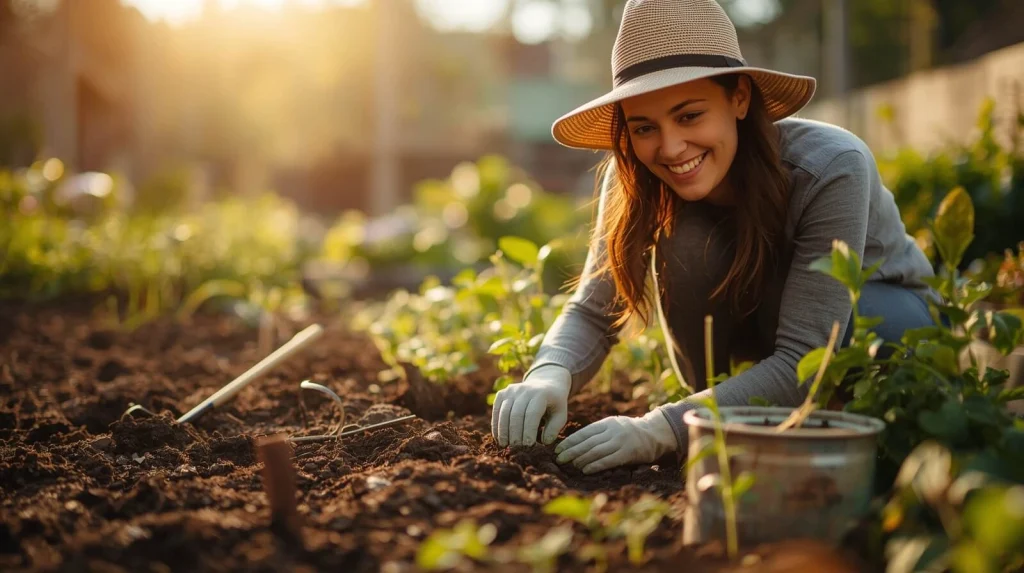
Even if your soil passes the dryness test, it still needs proper preparation before planting. This is one of the best gardening tips that professionals swear by — healthy soil equals healthy plants.Start by enriching your soil with organic matter. Compost is the key to creating fertile ground that retains moisture, improves drainage, and provides essential nutrients for your plants.
You can:
- Buy compost from your local garden store.
- Make your own compost using food scraps, leaves, and grass clippings — a sustainable and eco-friendly choice.
Once you’ve added compost, till or turn the soil to mix it evenly. Remove old plant debris, rocks, and roots that might hinder growth. If your soil is clay-heavy, mix in sand or perlite to improve aeration and drainage.This step might seem tedious, but it’s one of those best gardening tips that make all the difference — your plants will grow stronger, healthier, and more resilient throughout the season.
4. Grab the Right Tools — Work Smarter, Not Harder
Every gardener needs the right tools to make the job easier and more efficient. Relying solely on your hands won’t get you very far, especially when preparing a large garden.
Here’s a checklist of essential tools you’ll need:
- Rake: To remove old leaves, twigs, and debris from the soil surface.
- Shovel: For digging holes and turning over the soil before planting.
- Digging fork: Helps aerate the soil and break up hard clumps.
- Gloves: Protect your hands from blisters, cuts, and dirt.
- Hose or sprinklers: Keep your plants hydrated, especially during dry spells.
Store all your tools in a garden shed or garage to keep them organized and rust-free. Regular maintenance, like cleaning your tools after each use, ensures they’ll last longer and perform better.Investing in quality tools isn’t just about convenience — it’s about efficiency and long-term success. Remember, the best gardeners aren’t necessarily those who work the hardest but those who work the smartest.
Bonus: Plan Your Garden Layout
Here’s an extra tip to take your gardening to the next level. Before planting, sketch out a simple garden plan. Think about sun exposure, watering needs, and plant spacing.
- Group plants with similar water and sunlight requirements together.
- Place taller plants like tomatoes or sunflowers where they won’t shade smaller ones.
- Leave enough space between rows to allow air circulation and easy access for weeding and harvesting.
Planning ahead will save you time and frustration later — and it’s one of the best gardening tips for maximizing both beauty and productivity in your garden.
Maintain Your Garden Regularly
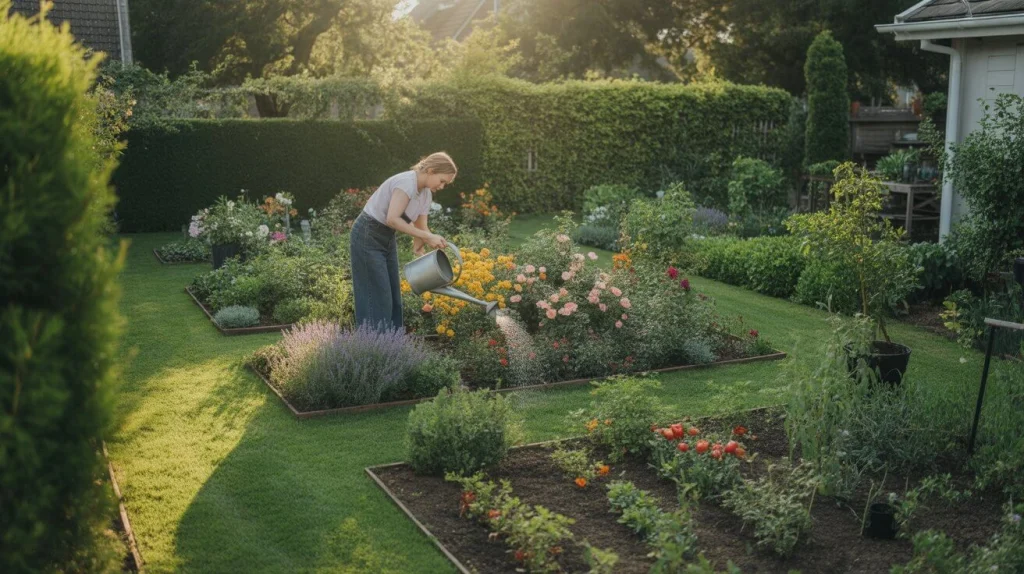
Gardening doesn’t stop once you plant your seeds. To keep your garden design thriving all season long:
- Weed weekly weeds steal nutrients and water from your plants.
- Mulch your beds to retain moisture and prevent weed growth.
- Inspect plants regularly for pests or diseases, and address problems early.
- Water deeply and consistently instead of frequent light watering, which promotes shallow roots.
By giving your plants consistent care and attention, you’ll enjoy lush growth and a bountiful harvest.
Grow with Patience and Passion
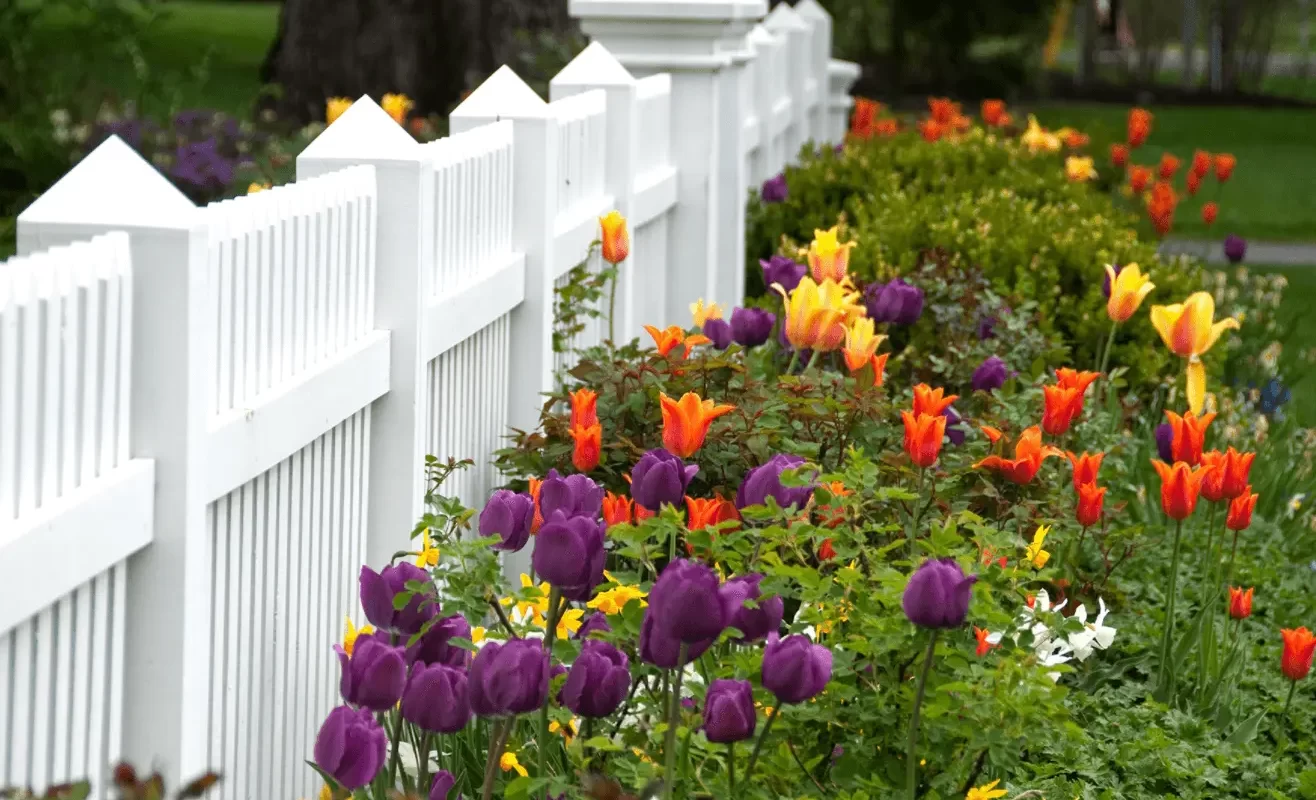
Best Gardening tips is more than just a hobby — it’s a connection to nature and a rewarding way to enhance your home. With these Best Gardening Tips, you’ll be ready to turn your messy winter yard into a vibrant, blooming paradise.
Remember: take it slow, test the soil, prepare it with care, and use the right tools. Combine these insights for growing with passion and patience, and your garden will reward you with colorful blooms, fresh scents, and a touch of serenity all season long.
FAQs
What is the 70/30 rule in gardening?
It means using 70% native plants and 30% non-native ones to create a balanced, sustainable garden ecosystem.
What is the most common mistake of first-time gardeners?
Starting too early or overwatering plants — timing and moderation are key gardening tips for success.
What is the rule of 3 in gardening?
Group plants in threes for visual harmony and natural-looking garden design.
What is the best gardening method?
The best method combines healthy soil, composting, proper watering, and consistent care for thriving plants.

Thomas is a home improvement blogger who strives to improve his life and the lives of others. He provides homeowners with helpful tips on how to renovate their homes. His goal is not only to provide easy-to-follow instructions, but also share his own personal experiences for those seeking guidance.