
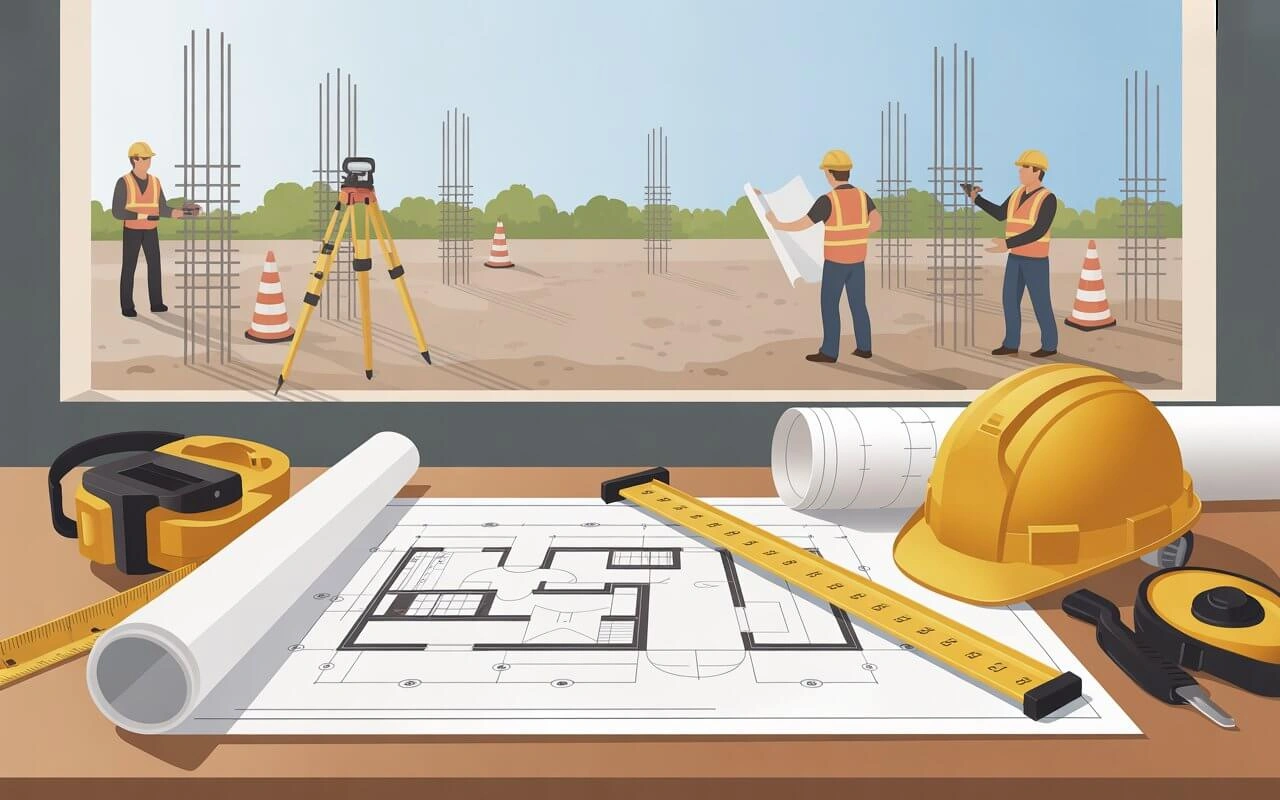
Before any serious digging, landscaping upgrade, or backyard structure begins, there’s one step that quietly decides whether your project moves smoothly or gets delayed: the pre-construction notification.
Many homeowners only discover it after running into permit issues, halted work, or unexpected compliance checks. In simple terms, it is the official way of informing authorities that a construction or land-disturbing activity is about to begin—so environmental and safety rules can be reviewed in advance.
Whether you are planning a home extension, garden structure, drainage improvement, or even a small outdoor renovation, understanding this process can save time, money, and stress.

Content
What Exactly Is a Pre-Construction Notification?

A pre-construction notification (PCN) is a formal submission made to regulatory authorities before starting a construction project. It provides detailed information about the planned work so it can be reviewed for construction compliance, environmental sensitivity, and legal approval requirements.
In most cases, it is linked to permits such as nationwide permits or local building approvals. The goal is not to stop construction but to ensure that the project does not harm protected areas, water systems, or community infrastructure.In regulatory terms, it is part of the broader construction permitting process, ensuring all developments meet safety and environmental standards before ground is broken.
Why It Matters More Than Most Homeowners Realize
From a homeowner or garden improvement perspective, the pre-construction notification is often underestimated. But skipping or misunderstanding it can lead to serious issues such as:
- Work stoppage orders
- Legal penalties
- Project redesign delays
- Environmental compliance violations
This becomes especially important in landscaping or home garden projects that involve:
- Digging near drainage systems
- Installing garden sheds or outdoor rooms
- Building retaining walls
- Modifying soil levels or water flow
Even small residential upgrades can sometimes fall under pre-construction notification requirements for residential projects, depending on local regulations.
When a Pre-Construction Notification Is Required
Not every project needs a PCN, but many do when specific conditions are triggered. Typically, it becomes necessary when:
- The project impacts wetlands, rivers, or protected land
- Excavation affects natural drainage or soil stability
- Construction occurs near environmentally sensitive zones
- Permits require federal or municipal review before approval
For many small contractors and homeowners, this is where confusion begins. A simple backyard improvement can unexpectedly require compliance review if it affects water flow or soil grading. In short, whenever environmental or structural impact is possible, a PCN is likely required.
Step-by-Step Process of Pre-Construction Notification in Construction Projects
Understanding how to submit a pre-construction notification for building approval makes the process much less intimidating. While procedures vary by region, the general workflow looks like this:
1. Project Assessment
Before anything is submitted, the project scope is reviewed. This includes checking land type, environmental sensitivity, and construction scale.
2. Documentation Preparation
You gather technical and project details, including:
- Site plans or drawings
- Construction method descriptions
- Environmental impact notes
- Material usage details
3. Submission to Authority
The PCN is officially submitted to the relevant authority (often environmental or construction regulatory bodies).
4. Review Period
Authorities evaluate the proposal to ensure it aligns with construction compliance rules and does not negatively impact protected areas.
5. Approval or Additional Requirements

If needed, additional modifications or mitigation measures may be requested before approval is granted.This step-by-step process of pre-construction notification in construction projects helps ensure safe, regulated development from start to finish.
Key Documents Usually Required
To avoid delays, preparation is crucial. Most PCN submissions require:
- Detailed site layout plans
- Environmental assessment reports
- Description of construction methods
- Water flow or drainage impact analysis
- Contractor and project details
Missing or incomplete documentation is one of the biggest causes of approval delays.
Common Mistakes That Cause Delays
Many project owners unknowingly slow down their own progress by making avoidable errors, such as:
- Submitting incomplete forms
- Ignoring environmental impact requirements
- Misjudging whether a PCN is needed
- Starting construction before approval
- Not coordinating with licensed contractors
These mistakes often lead to re-submissions and longer approval timelines.
Real-Life Case Study: Backyard Garden Room Delay
A homeowner in a suburban residential area planned to build a small garden studio for work-from-home use. The structure itself was modest, featuring wooden framing, insulation, and a concrete base.
Believing it was a simple DIY-friendly project, construction began immediately without using professional Pre-construction services or submitting the required notification. However, after inspection, authorities discovered that the foundation work affected a nearby drainage pathway connected to a protected water channel.Because a pre-construction notification was not submitted, the project was temporarily stopped, causing delays, added costs, and unexpected legal complications.
What happened next?
- Work was paused for 6 weeks
- A full environmental review was required
- Drainage redesign was mandated
- Additional documentation had to be submitted
Eventually, the project resumed—but with revised plans and extra costs.
Key lesson from this case:
Even small garden or home construction projects can fall under regulatory review if land or water systems are impacted. A simple PCN submission could have prevented delays entirely.
Benefits of Following the Pre-Construction Notification Process
When done correctly, PCN compliance offers several advantages:
Smooth Project Approval
Authorities are more likely to approve projects without complications.
Reduced Legal Risk
Proper documentation protects against fines and penalties.
Better Environmental Protection
Projects are designed to minimize ecological disruption.
Improved Planning Accuracy
Early review helps identify design issues before construction begins.
Faster Long-Term Execution
Although it may seem like an extra step, it prevents costly interruptions later.
Construction Compliance in Real-World Projects
In modern development, construction compliance is no longer optional—it is a core part of planning. From small home improvements to larger infrastructure work, authorities now focus heavily on environmental safety and land use efficiency.
This is why understanding pre-construction notification requirements is essential not just for contractors, but also for homeowners, gardeners, and DIY project planners.Even landscaping projects involving soil leveling, irrigation systems, or boundary walls can sometimes fall under regulatory oversight.
Practical Insight for Home Garden Projects
From a home and garden perspective, here’s a simple way to think about it:
- If you are changing only appearance → usually no PCN needed
- If you are changing land structure, water flow, or foundation → PCN may be required
So before starting any major outdoor upgrade, it is always smart to confirm requirements with local authorities or a licensed contractor.
Final Takeaway for Smarter Project Planning
A pre-construction notification is not just a bureaucratic step—it is a planning tool that protects your project from delays, penalties, redesign costs, and unexpected financial strain. Whether you are working on a home improvement idea, garden expansion, or small construction project, understanding this process ensures smoother execution from start to finish.
It can also help homeowners better manage budgets, permits, and even factors like Construction loan rates by preventing costly interruptions during the building phase. When approached correctly, a pre-construction notification becomes less of a restriction and more of a roadmap for safe, compliant, and well-planned construction.
FAQs
What is pre construction information and why is it important in early project planning?
Pre-construction information includes site details, risks, drawings, and requirements needed to plan safe and compliant construction work.
What is a pre-construction phase in building and how does it impact project success?
It is the planning stage before work begins where designs, approvals, and safety measures are prepared to avoid delays and errors.
What is the pre construction phase plan and what does it include for contractors?
It is a safety and work plan covering project scope, hazards, methods, and responsibilities before construction starts.
What are the 7 stages of construction from planning to project completion?
They include planning, design, pre-construction, procurement, construction, inspection, and project handover.
Who prepares the CPP (Construction Phase Plan) in a construction project?
It is usually prepared by the principal contractor or project manager before construction begins.

Marion is a dedicated home improvement blog author who has a passion for writing. She enjoys blogging about all sorts of topics, from interior design to landscaping and more! She loves the outdoors and spending time in nature with her family. She also likes to bake in her free time.