Building a home is exciting, but financing it can feel overwhelming—especially when you start researching construction loan rates. Unlike traditional mortgages, these loans work differently, cost more during the building phase, and depend on several financial factors that many first-time builders don’t fully understand.
Over the years, I’ve seen homeowners underestimate how much rates fluctuate during construction projects. Whether it’s a custom home build or a major renovation, understanding how home construction financing rates work can save thousands of dollars and prevent costly surprises.This guide breaks everything down in simple language, using real-world examples, practical insights, and industry knowledge to help you make informed decisions.
Content
What Are Construction Loan Rates?
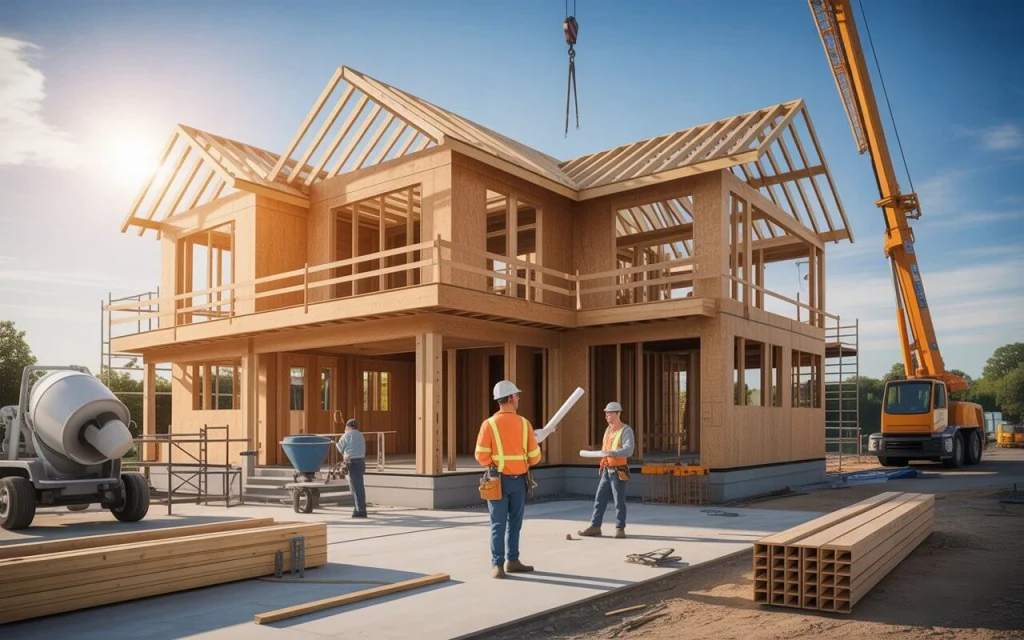
Construction loan rates refer to the interest charged on short-term financing used to build a home or property. Unlike traditional mortgage loans, these rates apply only during the construction phase, when funds are released in stages instead of a single lump sum.
A key detail many borrowers miss is that construction loan interest rates are usually higher than standard mortgage rates. This is mainly because lenders take on more risk—there’s no completed home yet to serve as full collateral.In most cases, borrowers only pay interest during construction. Once the home is finished, the loan is either converted into a mortgage or refinanced into a long-term home loan.
How Construction Loan Rates Work in Real Life
When I first helped a client plan their home build, they assumed the rate would stay fixed like a regular mortgage. That’s not how it works.Construction financing typically follows a draw schedule, meaning money is released in phases:
- Foundation stage
- Framing stage
- Roofing and structure
- Interior finishing
Interest is charged only on the amount disbursed, not the full loan amount.This structure is often called construction-to-permanent loan rates, where the loan transitions into a mortgage after completion.
Key Features That Affect Construction Loan Interest Rates
Understanding the structure is important, but what really matters is what drives the cost. Several financial and market factors influence your rate:
1. Credit Score Impact on Construction Loans
Your credit score plays a major role in determining your interest rate. Higher scores typically unlock lower rates, while lower scores increase borrowing costs.
2. Loan-to-Cost Ratio (LTC)
The loan-to-cost ratio impact is critical. If you’re financing 80% of the project, the lender sees more risk than if you’re putting down 30–40%.
3. Down Payment Amount
A larger down payment reduces lender risk and can significantly improve your rate.
4. Market Interest Trends
Economic conditions, inflation, and Federal Reserve policies all affect home construction financing rates.
5. Loan Type Selection
Borrowers often choose between:
- Fixed construction loan rates
- Adjustable vs fixed construction loan rates
Fixed rates provide stability, while adjustable rates may start lower but fluctuate over time.
Why Construction Loan Rates Are Higher Than Mortgage Rates
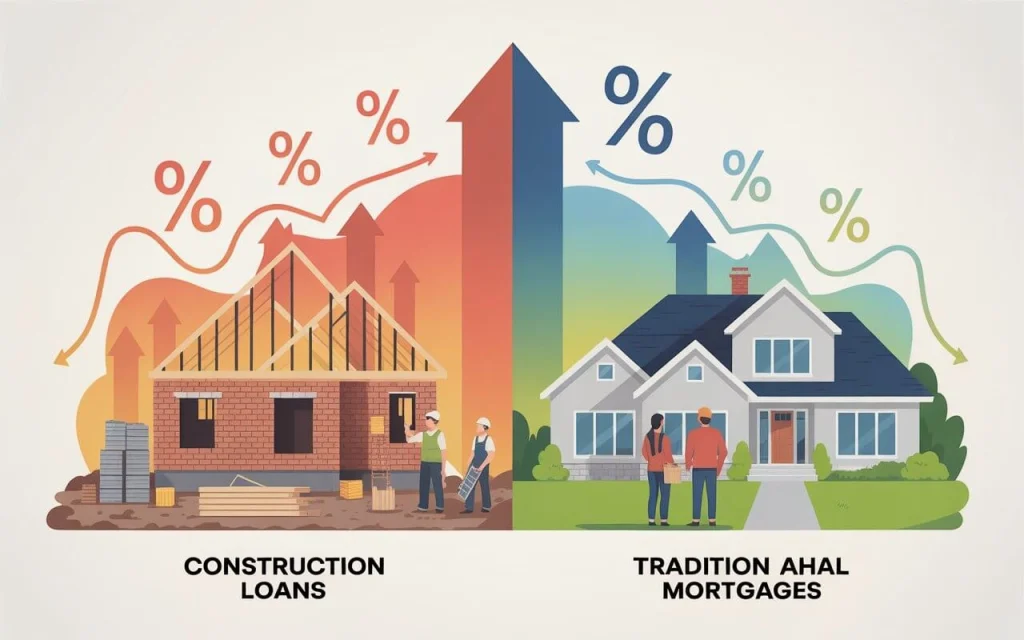
A common question I hear is: why are construction loan rates higher than mortgage rates? The answer is risk and uncertainty. With a mortgage, the home already exists and serves as collateral. With a construction loan, the property is still being built, meaning:
- Higher risk of delays
- Potential cost overruns
- Uncertain property value
Lenders compensate for this uncertainty by charging higher interest rates.
Current Trends in Construction Loan Rates
In recent years, rates have been influenced heavily by inflation and economic tightening. Many lenders have adjusted their pricing models, making it more important than ever to compare options.
Today, borrowers often see variations depending on:
- Regional housing demand
- Builder reputation
- Lender-specific risk models
This is why comparing construction-to-permanent loan rates across multiple lenders is essential.
How to Get the Best Construction Loan Rates
From working with homeowners and small developers, I’ve noticed a clear pattern—those who prepare early get better rates.Here are proven strategies:
Improve Your Credit Profile
Pay down debt and correct errors in your credit report before applying.
Increase Your Down Payment
A higher upfront contribution reduces lender risk.
Compare Multiple Lenders
Different lenders offer different home construction financing rates, even for identical profiles.
Lock Your Rate Strategically
Some lenders allow rate locks during the approval process, protecting you from market increases.
Work with Experienced Builders
Lenders often offer better terms when working with reputable contractors.
Real-Life Case Study: A First-Time Home Builder Experience
A recent client, Ali and Sara (a young couple planning a custom 5 marla home), approached their construction financing with a tight budget and limited knowledge.
They initially received a high rate offer due to:
- Moderate credit score
- Low down payment
- Lack of lender comparison
Their first quote for construction loan rates was significantly higher than expected.After reviewing their financial profile, we implemented a simple strategy:
- Increased down payment from 15% to 25%
- Improved credit utilization
- Compared three lenders instead of one
The result was a noticeable drop in their rate, saving them a significant amount over the construction period. By comparing financing options carefully, they also evaluated the benefits of a Fixed-rate mortgage for long-term payment stability after construction was completed.Most importantly, they avoided hidden costs by understanding how loan-to-cost ratio impact works in real lending decisions. This case highlights a key lesson: small financial adjustments can significantly change your total borrowing cost.
Common Mistakes Borrowers Make
Many first-time builders make avoidable mistakes that increase their costs:
- Not comparing construction loan rates from multiple lenders
- Ignoring draw schedule details
- Overlooking hidden fees
- Choosing adjustable rates without understanding risk
- Underestimating construction delays
Avoiding these mistakes can dramatically improve your financial outcome.
Construction Loan Rates vs Traditional Mortgage Rates
Here’s a simple comparison:
- Mortgage rates are lower because the home already exists
- Construction loan rates are higher due to risk and uncertainty
- Mortgages are long-term; construction loans are short-term
Understanding this difference helps set realistic expectations before starting your project.
Final Thoughts
Understanding construction loan rates is one of the most important steps in planning a successful home build. These rates are influenced by credit, loan structure, and economic conditions—but they are also manageable with the right strategy.
Whether you’re exploring construction-to-permanent loan rates, comparing lenders, or planning your first home project, the key is preparation. The more informed you are, the more control you have over your total building cost. Planning ahead for expenses such as materials, inspections, and even Post construction cleaning can also help you create a more accurate and realistic budget. A well-planned financing strategy doesn’t just reduce stress—it directly impacts how smoothly your dream home becomes a reality.
FAQs
What is considered a competitive home loan interest rate in today’s market?
A competitive rate depends on credit profile and market conditions, but generally falls within the mid-range of current lender offerings.
How much would monthly payments be on a $400,000 loan at 7% interest?
Approximate monthly payment would be around $2,661 excluding taxes and insurance.
Which financial institutions are preferred for home building loans?
Large banks, credit unions, and specialized housing finance companies are commonly preferred depending on borrower eligibility.
What is the total interest paid on a 20 lakh housing loan over time?
Total interest depends on tenure and rate, but long-term loans can nearly double the principal cost over time.
What are the basic eligibility criteria for applying for a home construction loan?
Stable income, good credit score, approved construction plan, and sufficient down payment are typically required.

Marion is a dedicated home improvement blog author who has a passion for writing. She enjoys blogging about all sorts of topics, from interior design to landscaping and more! She loves the outdoors and spending time in nature with her family. She also likes to bake in her free time.