
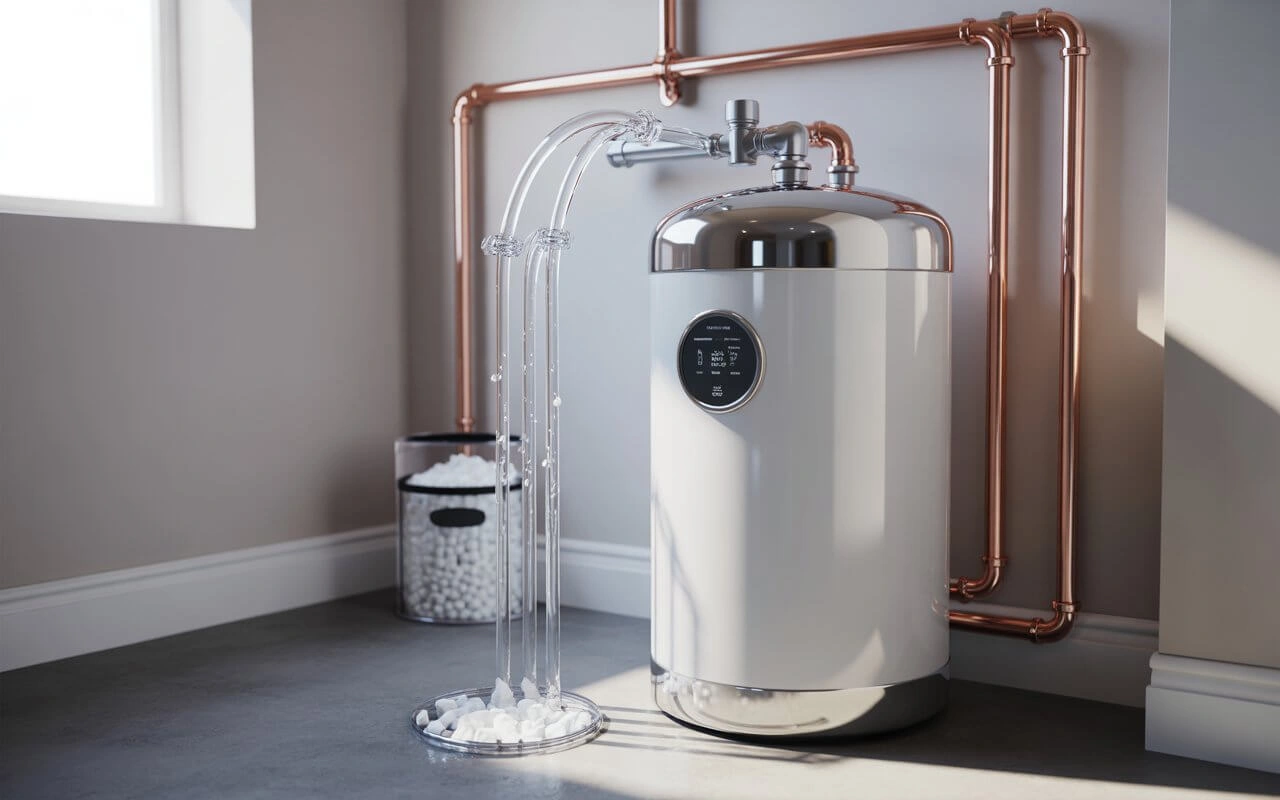
Hard water is one of those hidden household problems that many homeowners ignore until the damage becomes visible. From stubborn white stains on taps to dry skin after bathing, the effects slowly build up over time. A properly chosen Water softener system for home can completely change this experience by improving water quality, protecting appliances, and making everyday use more comfortable.This guide breaks everything down in a practical, real-world way so you can understand how these systems work, what benefits they offer, and how to choose the right one for your home.
Content
Water Softener System for Home: Why Hard Water Becomes a Real Household Problem
Hard water contains excess minerals like calcium and magnesium. While these are not harmful to health in small amounts, they create long-term household issues. Over time, these minerals form deposits that stick to pipes, taps, geysers, and washing machines.A reliable hard water treatment system helps solve this problem at the root instead of just cleaning the symptoms. Without it, you may notice:
- White scale buildup on bathroom fixtures
- Reduced water pressure in pipelines
- Dry hair and irritated skin after bathing
- Soap not forming proper lather
- Appliances wearing out faster than expected
These issues are exactly why many homeowners start looking for a Water softener system for home as a long-term solution.
How Does a Water Softener System for Home Work?
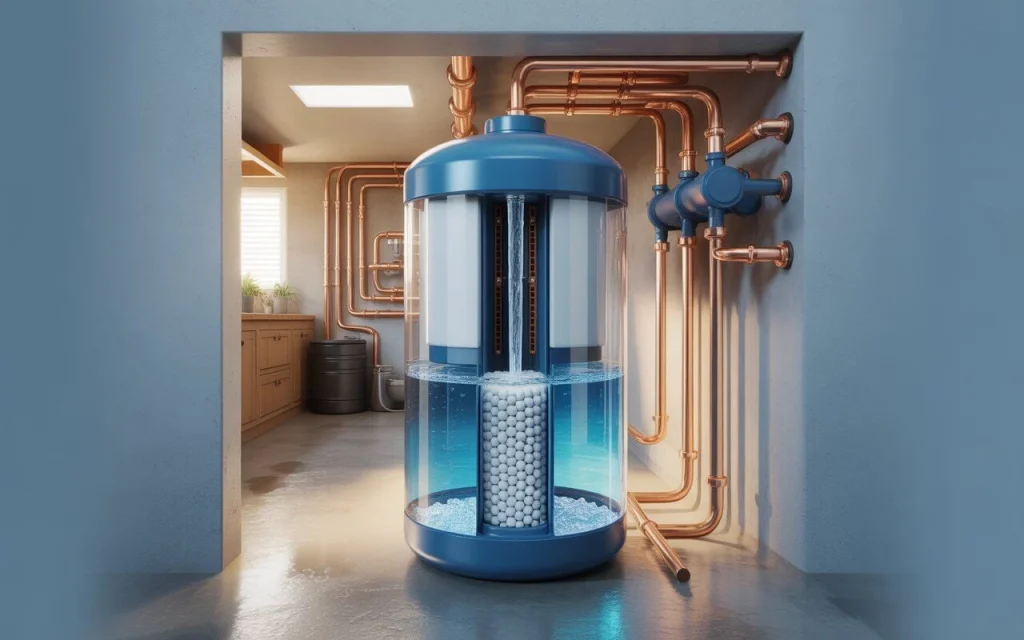
To understand the value of these systems, it helps to know the basic working process. Most modern systems use an ion exchange water softener method.In simple terms, the system replaces calcium and magnesium ions with sodium or potassium ions. This process removes hardness from the water before it reaches your taps.
Step-by-step working process:
- Hard water enters the softener tank
- Resin beads trap hardness minerals
- Sodium ions replace calcium and magnesium
- Softened water flows into household supply
- System regenerates using salt solution
If you are wondering how these systems work, this is the core mechanism behind most salt-based systems.
Types of Water Softening Solutions for Homes
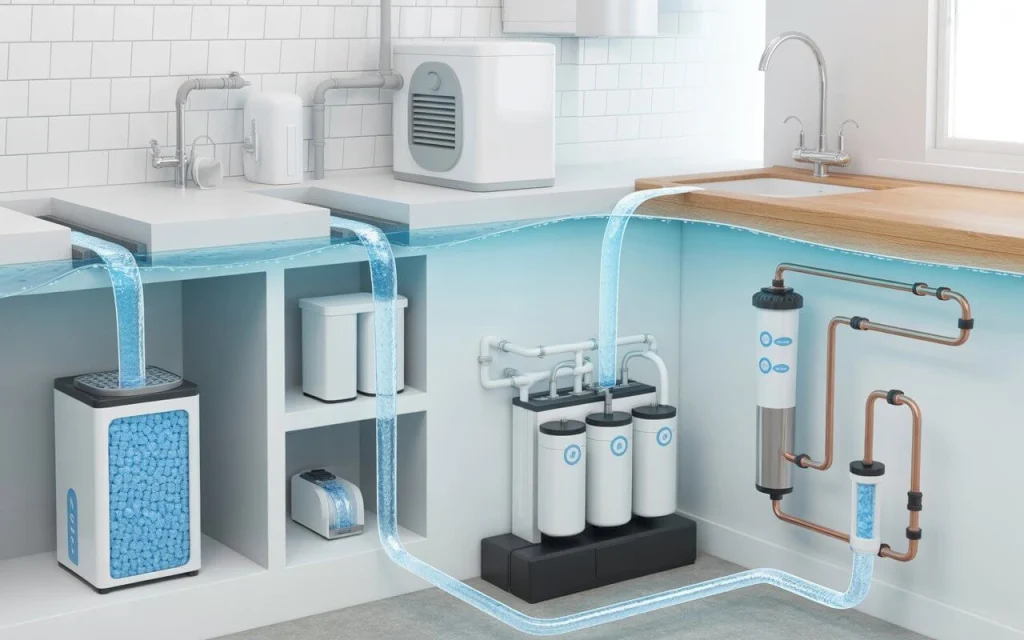
Not every home needs the same type of system. Choosing the right setup depends on water quality, usage, and maintenance preference.
Salt-Based Systems
These are the most common and effective solutions. They provide deep softening by removing hardness minerals completely.
Salt-Free Water Conditioner
A salt-free water conditioner does not remove minerals but changes their structure so they do not stick to surfaces. This is useful for households that prefer low-maintenance solutions.
Whole House Systems
A whole house water softener treats all water entering your home. This ensures every tap, shower, and appliance receives softened water.
Advanced Filtration Systems
Some homes also use a water quality improvement system that combines filtration with softening for better overall results.
Real Benefits You Notice in Daily Life
Installing a Water softener system for home brings both visible and long-term improvements. These benefits are not just technical—they are practical changes you can feel every day.
Key benefits include:
- Cleaner bathrooms with less limescale buildup
- Softer skin and healthier hair after showers
- Longer lifespan of washing machines and geysers
- Reduced detergent and soap usage
- Improved water flow in plumbing systems
In fact, one of the most common reasons people install these systems is the noticeable reduction in cleaning effort around the house. These advantages clearly explain why installing one has become a popular choice in modern households.
Signs Your Home Needs a Water Softening System
Many homeowners delay installing a system because they are unsure whether they really need it. Here are some clear indicators:
- Chalky white deposits on taps and showerheads
- Clothes feel rough even after washing
- Skin feels dry after bathing
- Soap and shampoo do not lather well
- Frequent plumbing blockages due to scale buildup
If you notice these issues regularly, it strongly indicates that you may need a Water softener system for home to protect your household infrastructure.
Salt vs Salt-Free Water Softener System for Home
One of the most common comparisons homeowners face is between salt-based and salt-free systems.
Salt-Based System
- Removes hardness minerals completely
- More effective for very hard water
- Requires regular salt refilling
Salt-Free System
- Works as a conditioning system
- Low maintenance
- Does not remove minerals fully
The decision often depends on your water condition and maintenance preference. This is why understanding salt vs salt-free water softener system for home is important before making a purchase.
Cost of Installation and Long-Term Value
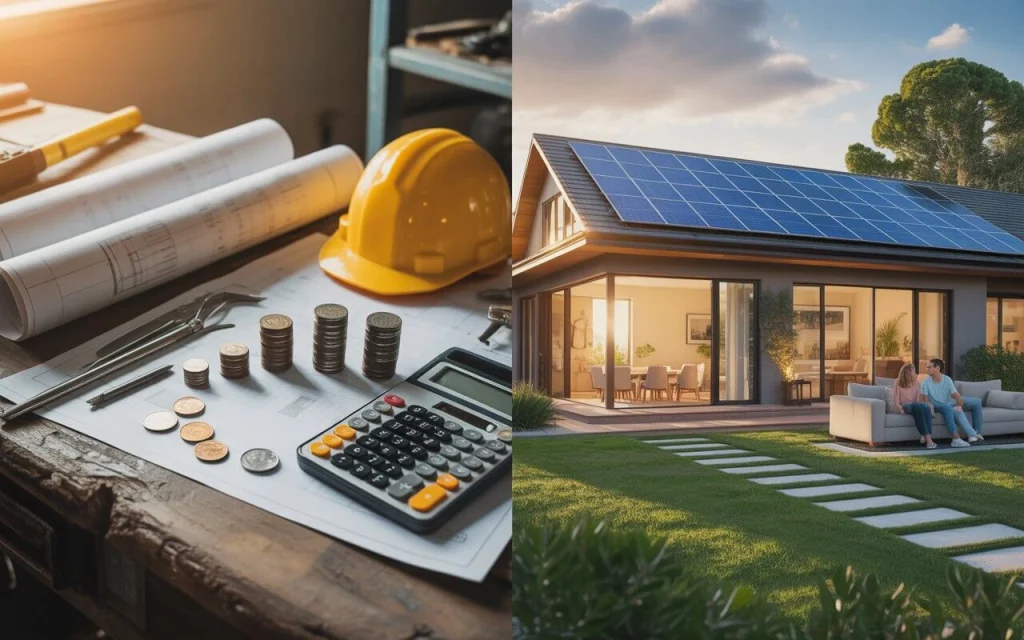
Cost is always a major factor when choosing a home system. The cost of water softener system for home installation depends on several factors:
- Size of household
- Type of system selected
- Water hardness level
- Installation complexity
On average, basic systems are more affordable, while whole-house advanced systems cost more initially but can save money over time by protecting appliances, improving water quality, and reducing maintenance expenses. Many homeowners also notice that cleaner water helps reduce the excessive use of Home cleaning products because surfaces, dishes, and fixtures stay cleaner for longer.Instead of viewing it as just another expense, many homeowners consider it a long-term investment in home protection, appliance efficiency, and overall household maintenance savings.
Choosing the Best System for Your Home
When selecting the best water softener system for home use, focus on practical needs rather than just price or brand claims.
Key factors to consider:
- Daily water usage in your home
- Hardness level of local water supply
- Maintenance requirements
- Space available for installation
- System efficiency and regeneration cycle
A good system should balance performance with ease of maintenance so it fits naturally into your home routine.
Installation and Maintenance Tips
A properly installed system performs much better and lasts longer. While professional installation is recommended, basic maintenance is also important.
Simple maintenance practices:
- Regular salt refill for salt-based systems
- Cleaning resin tank periodically
- Checking for pressure drops
- Annual system inspection
These steps ensure your Water softener system for home continues working efficiently for years.
Real-Life Case Study: Household Transformation
A family living in a suburban area struggled with severe hard water issues. Their washing machine broke twice in three years, and bathroom fixtures constantly had white stains. The skin dryness problem was also affecting children in the family.After installing a whole-house Water softener system for home, they noticed changes within weeks:
- Soap usage reduced by nearly 40%
- Bathroom cleaning time decreased significantly
- Clothes became noticeably softer after washing
- Appliance performance improved
- Skin irritation issues reduced
The homeowner described it as one of the most practical home upgrades they had ever made. This real-world example highlights the importance of a proper water quality improvement system in everyday living.
Final Practical Insight for Homeowners
A well-chosen water softening solution is not just about improving water—it is about improving daily life quality. From protecting expensive appliances to making personal care more comfortable, the impact is both immediate and long-lasting.Whether you are dealing with minor scaling or severe hardness, investing in a Water softener system for home can significantly improve your home environment and reduce long-term maintenance stress.
FAQs
What is the best water softener system for my home?
The best system depends on water hardness, household size, and maintenance needs for long-term efficiency.
What are the disadvantages of a home water softener?
Possible downsides include maintenance needs, salt usage, and upfront installation cost depending on the system type.
Is water softener good for home?
Yes, it helps reduce scale buildup, improves appliance life, and enhances overall water quality.
How much will a water softener system cost?
Cost varies by size and type, typically ranging from affordable basic units to higher-priced whole-house systems.
What are the disadvantages of soft water?
Soft water may contain slightly more sodium and can feel slippery for some users.

Marion is a dedicated home improvement blog author who has a passion for writing. She enjoys blogging about all sorts of topics, from interior design to landscaping and more! She loves the outdoors and spending time in nature with her family. She also likes to bake in her free time.