Garage door sensors are one of the most important safety components in any modern garage door system. Without them, the simple act of closing your garage door could become a serious safety hazard. So, how do garage door sensors work, and why are they so vital to your home’s safety and efficiency? Let’s break down their functionality, technology, and benefits in detail.
Content
Understanding How Garage Door Sensors Work
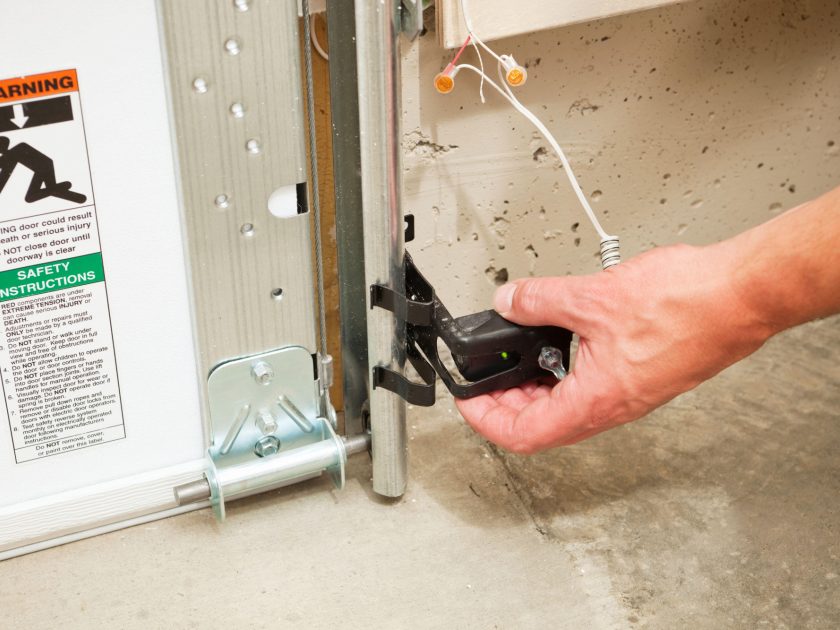
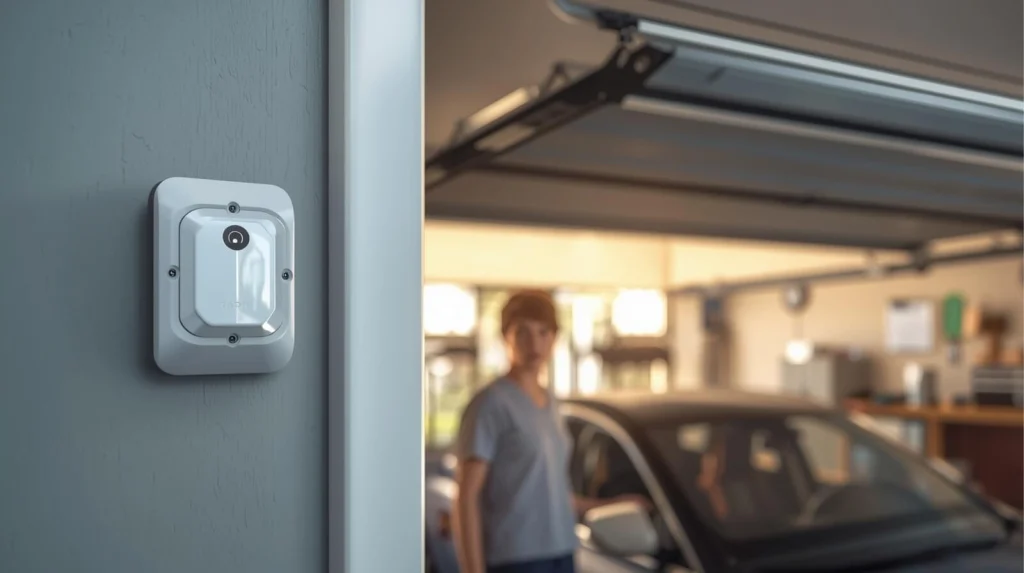
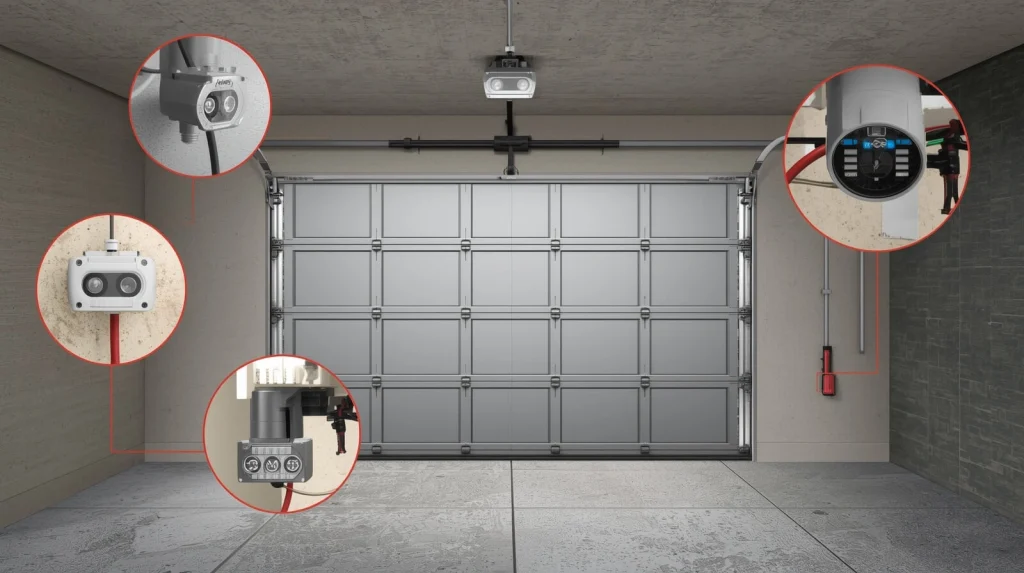
To understand how garage door sensors work, it’s important to know what they are designed to do. Garage door sensors use infrared technology to detect objects or people that might be in the way of the closing door. The system typically includes two small units—one placed on each side of the door, near the bottom.
These two sensors communicate with each other by sending an invisible infrared beam across the door opening. When the beam is unbroken, the system knows it’s safe to close. However, if anything interrupts that beam—a person, pet, bicycle, or even a leaf—the sensors immediately send a signal to the opener’s motor to stop and reverse the door’s motion.This mechanism is how garage door sensors work to prevent accidents and damage, making them an essential part of every modern garage door system.
The Technology Behind Garage Door Sensors
The secret behind how garage door sensors work lies in infrared light and motion detection technology. Infrared light is invisible to the human eye but can easily detect changes in light patterns when something obstructs its path.
Each sensor has a specific role:
The sending unit (transmitter) emits a continuous beam of infrared light.
The receiving unit (receiver) detects that beam.
If the receiver doesn’t sense the beam, it assumes something is blocking the way and triggers the system to reverse the door’s movement immediately. This entire process happens within a fraction of a second, ensuring safety and responsiveness.
Today’s sensors are equipped with self-diagnostic LED indicators, which flash different colors or patterns to show whether the sensors are properly aligned or if there’s an obstruction. Some advanced systems even include wireless communication and smart home integration, making it easy to monitor your garage door from your smartphone.
Why Garage Door Sensors Are Essential for Safety
The most important reason garage door sensors work is safety. They prevent the heavy door—often weighing over 150 pounds—from closing on a child, pet, or valuable object. Without sensors, garage doors could cause severe injuries or property damage.
Since 1993, U.S. federal law has required all automatic door to include photoelectric safety sensors. This regulation came after numerous accidents caused by doors closing unexpectedly. Today, these safety sensors have saved countless lives and prevented thousands of accidents every year.In addition to safety, properly functioning garage door sensors also prevent mechanical strain on the opener system. If the door were to hit an obstruction repeatedly, it could damage the motor, track, or spring system—leading to costly repairs.
How Garage Door Sensors Work in Different Conditions
One of the biggest questions homeowners ask is whether garage door sensors work in all conditions. The answer is yes—modern sensors are designed to function reliably even in low light, extreme temperatures, or dusty environments.
Infrared sensors don’t rely on visible light, so even during the night or on cloudy days, they perform accurately. However, dirt, spider webs, or misalignment can interfere with how garage door sensors work. That’s why periodic cleaning and realignment are essential to ensure consistent performance.Some high-end systems use dual-beam or laser-guided technology to reduce false detections and improve reliability in challenging environments.
Energy Efficiency and Smart Home Integration
Garage door sensors don’t just improve safety—they also help enhance energy efficiency. By detecting when an obstruction is present, the system prevents the motor from running unnecessarily, which conserves electricity. Over time, this leads to noticeable savings on your energy bills.When combined with smart home technology, garage door sensors can provide even greater benefits. You can integrate them with motion-activated lighting, security cameras, or smart thermostats, creating a synchronized and energy-efficient home environment.
For example, when your garage door opens, the lights can automatically turn on, and when it closes, your thermostat can adjust accordingly. This synergy between smart devices ensures convenience, safety, and sustainability.
Troubleshooting Common Garage Door Sensor Problems
Even though garage door sensors work effectively, they can occasionally malfunction. Here are a few common issues and how to resolve them:
Sensor Misalignment: The most frequent problem occurs when the two sensors are not properly aligned. Check if the LED lights on both sensors are solid. If one is flickering or off, gently adjust it until the lights are steady.
Dirty Lenses: Dust, dirt, or spider webs can block the infrared beam. Clean the sensor lenses with a soft cloth.
Wiring Issues: Loose or damaged wires can interrupt communication between sensors. Inspect the cables and reconnect or replace them if necessary.
Sunlight Interference: Direct sunlight can sometimes interfere with infrared signals. Installing a small shade or adjusting the sensors’ angle can fix this.
Professional Installation Matters
Proper installation is critical to how garage door sensors work. If the sensors are not correctly aligned, positioned, or wired, they won’t perform as intended. Professional installers use precise tools and testing methods to ensure the system is both safe and compliant with federal safety standards.An expert garage door technician can also recommend sensor upgrades that are compatible with your opener model, ensuring smooth operation and enhanced performance.
The Bottom Line: How Garage Door Sensors Work to Keep You Safe
Understanding how garage door sensors work can give you confidence in your home’s safety system. These small devices use sophisticated infrared technology to detect obstacles and prevent the garage door from closing when something is in the way. They protect your family, pets, and belongings while contributing to energy efficiency and long-term cost savings.
By investing in high-quality sensors and ensuring professional installation, you can enjoy peace of mind knowing that your garage door system operates safely and reliably—day or night.If you notice your garage door behaving unpredictably, don’t ignore it. Contact a trusted garage door repair expert in Newport News or Norfolk to inspect, repair, or replace your sensors. With proper care and maintenance, your sensors will continue doing what they do best—keeping your home safe, efficient, and secure.
FAQs
How does a garage door sensor work?
It uses infrared beams to detect obstacles, stopping and reversing the door when something blocks the beam.
Does the garage door need sensors to work?
Yes, safety sensors are required by law to prevent accidents and ensure the door operates safely and efficiently.
How to check if garage door sensors are working?
Ensure both sensor lights are on, clean the lenses, and test by placing an object in the path while closing the door.
What powers garage door sensors?
They’re powered by the garage door opener’s low-voltage electrical system, ensuring consistent performance and safety.
Thomas is a home improvement blogger who strives to improve his life and the lives of others. He provides homeowners with helpful tips on how to renovate their homes. His goal is not only to provide easy-to-follow instructions, but also share his own personal experiences for those seeking guidance.