There’s something magical about having a pool in your backyard—a private oasis where you can escape the heat, entertain friends, and create lasting family memories. The idea of a DIY inground pool is tempting, especially when you imagine saving money and customizing every detail to fit your backyard. But is it really possible to build one yourself? In this guide, we’ll explore everything you need to know about DIY inground pools, including practical tips, pitfalls to avoid, and a real-life case study that illustrates the journey.
Content
Is It Possible to Build a DIY Inground Pool at Home?
Yes, it is technically possible to build a DIY inground pool at home. There are kits available that claim to simplify the process, and with enough time, effort, and research, some homeowners have managed to install small inground pools themselves. However, while the idea sounds exciting, the reality is that installing an inground swimming pool is a complex project that requires careful planning, construction knowledge, and adherence to local building codes.A few key considerations before starting:
- Permits and Regulations: Most cities and towns require building permits for inground pools, including safety fencing and electrical compliance.
- Material Selection: Concrete, fiberglass, and vinyl are the most common materials for inground pools. Each comes with unique challenges, from shaping concrete to handling heavy fiberglass shells.
- Skill Requirements: Excavation, plumbing, and electrical work can be difficult and dangerous if attempted without proper knowledge.
Even if you are experienced with home projects, a DIY inground pool is not just a weekend backyard project. This is why understanding the full process and potential risks is critical.
Are DIY Inground Pool Kits Worth It?
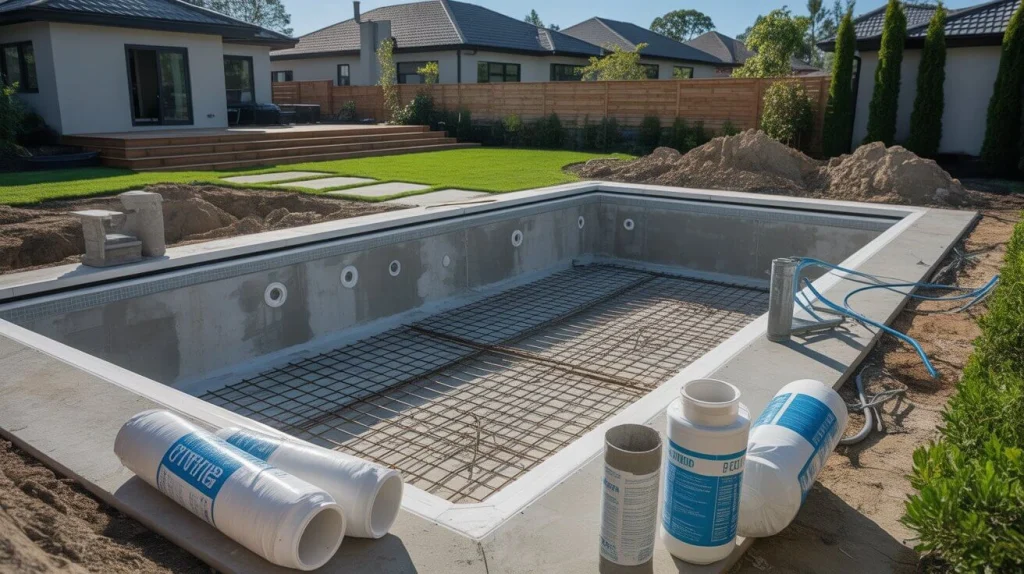
If you are considering a DIY inground pool kit, they can be appealing due to their “ready-to-install” design. Most kits come with pre-fabricated components, simplified instructions, and estimated timelines for installation. However, they also come with limitations.
Pros of DIY Inground Pool Kits:
- Pre-designed templates for easier installation.
- Cost savings compared to hiring a professional installer.
- Flexibility in choosing sizes and basic features.
Cons to Consider:
- Hidden Costs: Excavation, electrical, plumbing, and landscaping can add up quickly.
- Potential for Errors: Improper installation can lead to leaks, uneven surfaces, or structural damage.
- Warranty and Support Issues: Many manufacturers void warranties if installation is not completed by certified professionals.
While these kits sound convenient, many homeowners underestimate the skill and effort required. For most, professional installation ensures longevity, safety, and peace of mind.
Step-by-Step Considerations for a DIY Inground Pool
If you are committed to building an inground pool yourself, it’s essential to understand the main steps involved. Here’s a practical guide:
Planning and Design:
Decide on the size, shape, and style of your pool. Consider your backyard layout, drainage requirements, and how the pool will integrate with landscaping. Using DIY inground pool design ideas for small yards can help you find inspiration.
Permits and Local Codes:
Before digging, contact your local building authority to secure permits and confirm safety requirements. This step is crucial to avoid fines or costly modifications later.
Excavation:
Rent heavy machinery or hire excavation professionals. Even with a small backyard, proper digging ensures the pool is level and stable.
Structural Setup:
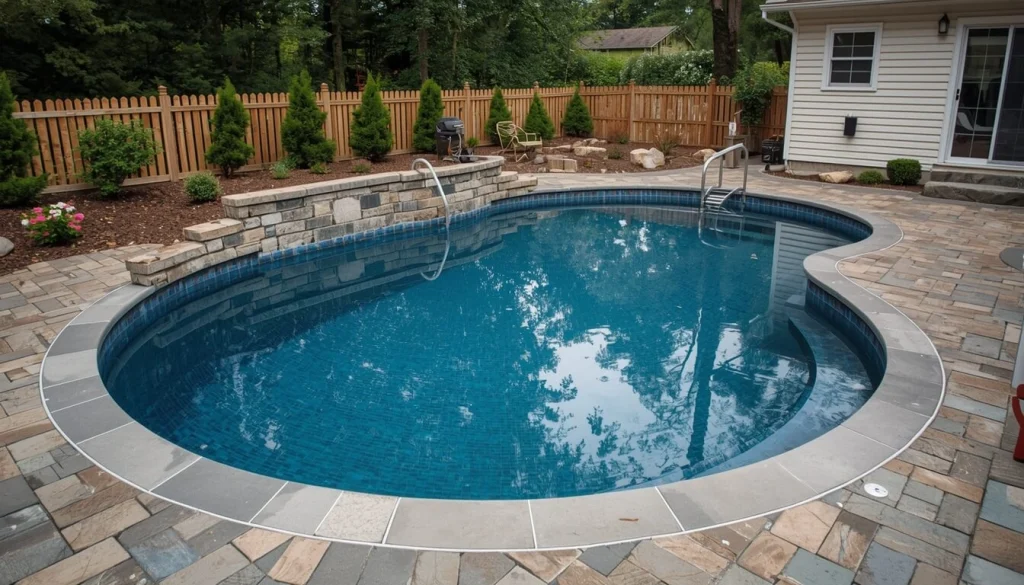
Depending on your material choice (concrete, fiberglass, vinyl), this step may involve forming concrete walls, installing a fiberglass shell, or laying a vinyl liner.
Plumbing and Electrical:
Install pumps, filtration systems, lighting, and any heating systems. This step often requires licensed professionals to meet safety standards.
Finishing Touches:
Add decking, coping, landscaping, and water features to complete your backyard oasis.
Real-Life Case Study: The Johnson Family DIY Pool Journey
To give some context, let’s look at a real-life example. The Johnson family, living in Austin, Texas, decided to build a DIY inground pool using a pre-fabricated fiberglass kit. They wanted a weekend project that would add value to their backyard.
What They Did Well:
- Thoroughly researched local codes and secured permits before starting.
- Invested in proper excavation equipment and prepared the ground meticulously.
- Consulted professionals for plumbing and electrical installations to ensure safety.
Challenges They Faced:
- Despite following instructions, leveling the fiberglass shell took more time than anticipated.
- Landscaping and decking costs exceeded their initial budget.
- Minor adjustments were needed after filling the pool to prevent water imbalance.
Outcome:
After four months, the Johnsons successfully completed their backyard pool project. It became a central feature of their yard, offering both a place to relax and a way to entertain friends and family. Their experience highlights that while building a pool yourself is possible, it requires preparation, patience, and sometimes professional help to ensure success.
Safety Considerations for DIY Inground Pools
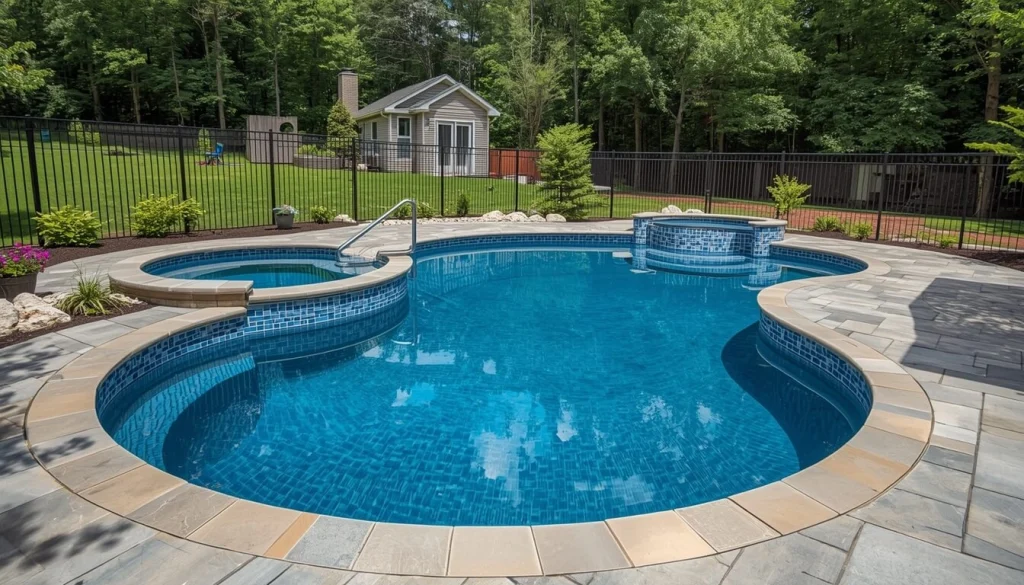
Safety should be your top priority. Pools pose risks including drowning, electrical hazards, and structural failures. Consider these safety measures:
- Install proper fencing and gates to prevent unauthorized access.
- Ensure electrical systems are installed by certified professionals.
- Follow chemical safety protocols for water treatment.
- Regularly inspect your pool for leaks or structural issues.
Incorporating LSI keyword: “backyard pool installation tips” can help homeowners find additional safety and maintenance guidance.
Tips for Budgeting and Reducing Costs
Many homeowners attempt DIY pools to save money, but unexpected expenses often arise. Here are some strategies:
- Compare multiple pool kits and material options.
- Consider partial professional help for complex tasks like plumbing or electrical.
- Plan landscaping separately to spread costs over time.
affordable DIY inground pool ideas can provide creative solutions for cost-conscious homeowners.
Conclusion:
Building a DIY inground pool can be a rewarding project, but it is not without its challenges. With the right mix of careful planning, thorough research, and professional assistance for critical steps, creating a true backyard oasis is achievable. The Johnson family case study shows how preparation, realistic expectations, and patience played a major role in their success.
For most homeowners, the smartest approach is to balance DIY enthusiasm with expert support where it matters most. When safety, quality, and long-term planning are top priorities, your dream backyard pool is well within reach—just as thoughtfully designed interiors, like Preppy Room Decor, rely on structure and balance to achieve a polished final result.
FAQs
What is the cheapest way to build an inground pool?
Using a vinyl liner or small fiberglass kit is often the most affordable option for an inground pool.
What is the cheapest option for an inground pool?
Smaller pools with simple designs and DIY-friendly kits reduce costs compared to concrete or custom pools.
Is it cheaper to dig your own pool?
Excavating yourself can save money, but equipment, labor, and mistakes may offset savings.
Can you dig a pool yourself?
Yes, but DIY excavation requires proper tools, planning, and attention to safety and local permits.

Marion is a dedicated home improvement blog author who has a passion for writing. She enjoys blogging about all sorts of topics, from interior design to landscaping and more! She loves the outdoors and spending time in nature with her family. She also likes to bake in her free time.