Growing healthy, thriving plants indoors can be a rewarding experience — but without proper lighting, your results might fall short. That’s where LED Grow Lights come in. These innovative lights are designed to replicate the natural spectrum of sunlight, helping plants photosynthesize, grow faster, and yield more — even when natural light is limited.
Whether you’re a home gardener, hydroponic enthusiast, or commercial grower, LED grow light are revolutionizing the way we cultivate plants indoors. Let’s explore how they work, their unique benefits, and why they’re becoming the go-to solution for modern plant growth.
Content
What Are LED Grow Lights?
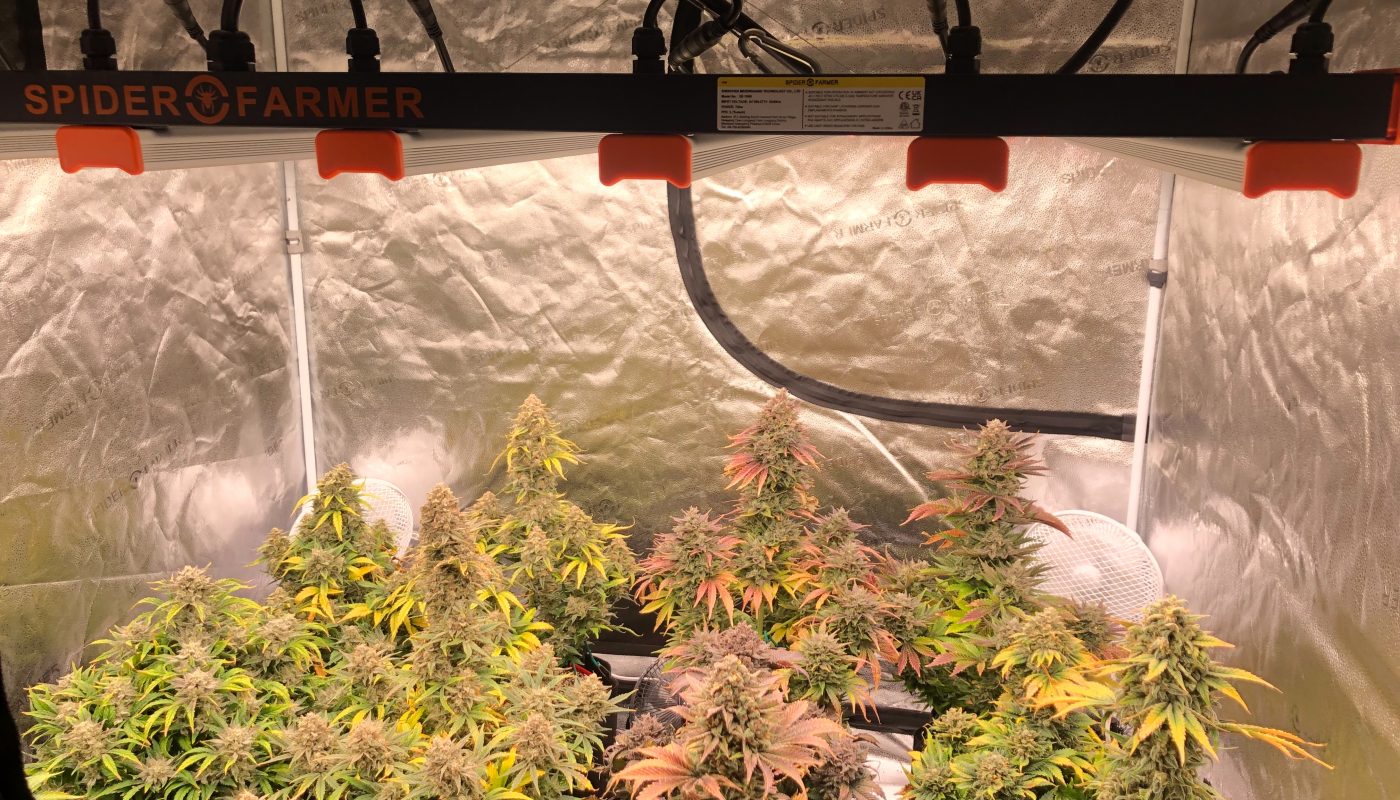
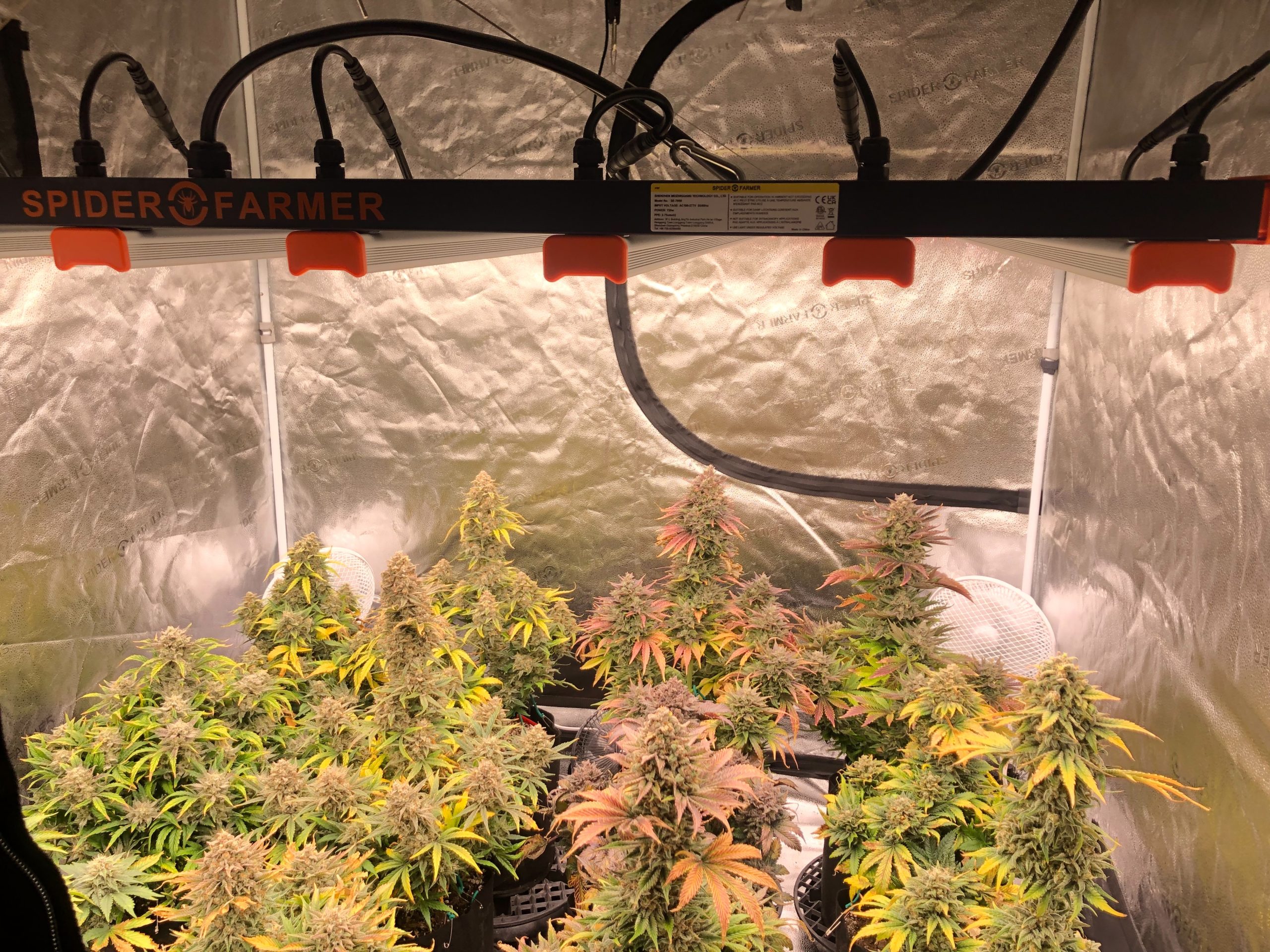
LED Grow Lights are specialized electric lights that use Light Emitting Diode (LED) technology to provide the specific light spectrum plants need to thrive. Unlike traditional incandescent or fluorescent lights, LED grow light can be customized to emit precise wavelengths of light — usually red, blue, and full spectrum — that mimic natural sunlight.These lights allow you to grow plants year-round, regardless of outdoor conditions. They are especially beneficial for indoor gardens, greenhouses, and hydroponic systems where access to natural sunlight is limited.
How LED Grow Lights Work
Plants rely on light for photosynthesis — the process of converting light energy into food. Each color in the light spectrum serves a purpose:
Blue light encourages strong root development and compact, leafy growth.
Red light promotes flowering and fruit production.
Full-spectrum light mimics natural sunlight, providing balanced growth at all stages.
LED Grow Light combines these wavelengths in optimal proportions, ensuring your plants receive just the right type of light at the right time. Many modern grow lights even allow you to adjust brightness, color temperature, and intensity based on the growth phase.
Top Benefits of Using LED Grow Lights
Switching to LED grow lights offers numerous advantages over conventional lighting systems. Let’s dive into the key benefits that make them a smart investment for any grower.
1. Energy Efficiency and Cost Savings
One of the biggest advantages of LED grow lights is their energy efficiency. LEDs consume significantly less power than traditional high-pressure sodium (HPS) or fluorescent bulbs while providing equal or greater light intensity. This translates to lower electricity bills and reduced heat generation.A quality LED grow light can last up to 50,000 hours or more, meaning you won’t need to replace bulbs frequently. Over time, this durability results in substantial savings on both maintenance and energy costs.
2. Full Spectrum for Maximum Plant Growth
LED grow light provides a full light spectrum that closely resembles sunlight, supporting plants through all stages — from seedling to harvest. You can tailor the light output depending on the growth phase, ensuring your plants receive the right balance of red, blue, and white light for optimal development.This customization helps achieve stronger roots, lush foliage, and larger yields, making LED grow light a game-changer for hydroponic and indoor gardens.
3. UV Safe and Gentle on Plants
Unlike traditional bulbs that emit harmful ultraviolet (UV) rays and excessive heat, LED grow light are UV safe. They emit only the wavelengths beneficial for growth, eliminating the risk of leaf burn, dehydration, or damage.This ensures that plants grow in a stable, comfortable environment — with consistent energy and moisture levels. Even delicate seedlings or shade-loving plants thrive under LED illumination without the risk of overheating.
4. Environmentally Friendly Lighting
Sustainability is another reason why LED lighting is preferred over other options. They’re eco-friendly, free from toxic materials such as mercury or lead, and 100% recyclable. Since they use less electricity and produce minimal heat, they also help reduce your carbon footprint.For environmentally conscious gardeners, LED grow light aligns perfectly with green living and sustainable gardening practices.
5. Low Heat Output and Easy Temperature Control
Traditional grow lights often produce excessive heat, which can dry out plants and require additional ventilation systems. In contrast, LED grow light emits very little heat, keeping your growing space cooler and easier to manage.This low heat output allows you to place the lights closer to your plants, maximizing light absorption without causing harm. It also means less reliance on air conditioners or fans, further lowering operational costs.
6. Compact Design and Easy Installation
Most LED grow lights are compact, lightweight, and easy to install. They come in a variety of shapes and sizes — from small panels for desktop gardens to large fixtures for commercial operations. Many models feature adjustable hanging kits or flexible stands, allowing for effortless setup and positioning.Their sleek design and low-maintenance nature make them ideal for urban gardeners, indoor plant lovers, or anyone with limited space.
7. Consistent Light for Year-Round Growth
No more worrying about cloudy days or short winter daylight hours. LED Grow Light ensures your plants receive consistent, uninterrupted illumination throughout the year. This makes them perfect for growing herbs, vegetables, and flowers indoors, even in regions with limited sunlight.With LED technology, you can create your own mini-ecosystem — providing plants with the perfect conditions for healthy, year-round growth.
Different Types of LED Grow Lights
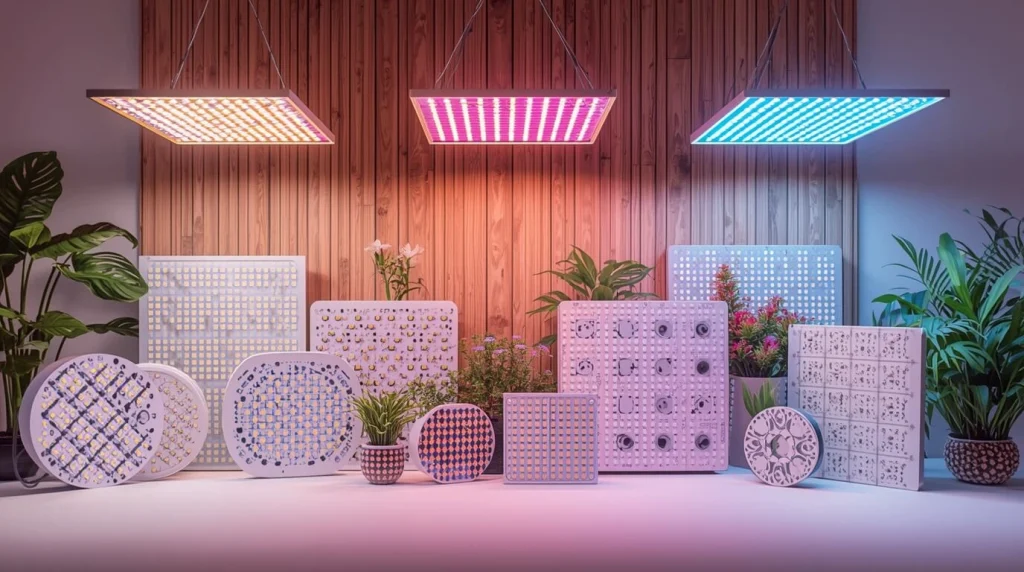
When shopping for LED grow lights, you’ll come across various models suited for different needs:
Panel Grow Lights: Best for covering large grow areas or multiple plants.
Bar Lights: Ideal for linear plant setups or hydroponic systems.
Clip-On or Desk Grow Lights: Perfect for small houseplants and seedlings.
Full-Spectrum Bulbs (GU10, MR16, PAR16): Great for replacing traditional bulbs with efficient grow light options.
For example, Hydroponic Light GU10/HR16/PAR16/MR16 models are available in natural white, warm white, and cold white tones — with 6-watt dimmable options for precise control. These lights combine efficiency and flexibility, making them an excellent choice for both hobbyists and professionals.
Final thought
If you’re serious about improving your plant growth and maximizing yields, investing in LED Grow Lights is one of the smartest moves you can make. They combine Style, Quality, and Innovation to deliver exceptional results. With energy efficiency, versatility, eco-friendliness, and plant-safe illumination, LED Grow Lights bring modern technology and reliable performance together for healthier, faster-growing plants.
Whether you’re nurturing herbs on your kitchen counter, managing a hydroponic setup, or cultivating flowers indoors, LED grow lights provide the light spectrum your plants need to flourish — all while saving money and protecting the environment.So, take your indoor gardening to the next level with these innovative lights. With the right setup, you’ll enjoy lush, vibrant plants that grow faster, stronger, and healthier — all year long.
FAQs
Can any LED light be used as a grow light?
No, regular LEDs lack the full spectrum. Only LED Grow Lights provide the wavelengths plants need for healthy growth.
How much does a 1000 watt LED grow light cost to run?
A 1000-watt LED Grow Light costs around $40–$60 per month to run, depending on local electricity rates and usage time.
Which LED light is best for plant growth?
Full-spectrum LED Grow Lights are best, as they mimic natural sunlight and support all growth stages from seed to bloom.
What are the disadvantages of LED grow lights?
LED Grow Lights can have a high upfront cost, and low-quality models may provide uneven light or shorter lifespans.
Thomas is a home improvement blogger who strives to improve his life and the lives of others. He provides homeowners with helpful tips on how to renovate their homes. His goal is not only to provide easy-to-follow instructions, but also share his own personal experiences for those seeking guidance.