If your yard has ever struggled with standing water or a soggy lawn, you know how frustrating poor drainage can be. I’ve faced this issue myself in my small backyard, where heavy rainfall left puddles that refused to disappear for days. That’s when I discovered the power of a DIY French drain. Not only is it effective in diverting water, but it’s also a cost-efficient solution you can install yourself with the right guidance.
In this guide, I’ll walk you through everything you need to know — from understanding how French drains work to planning, installing, and maintaining your own system. By the end, you’ll feel confident creating a backyard drainage solution that actually works.
Content
DIY French Drain: Understanding How It Works and Why You Need One
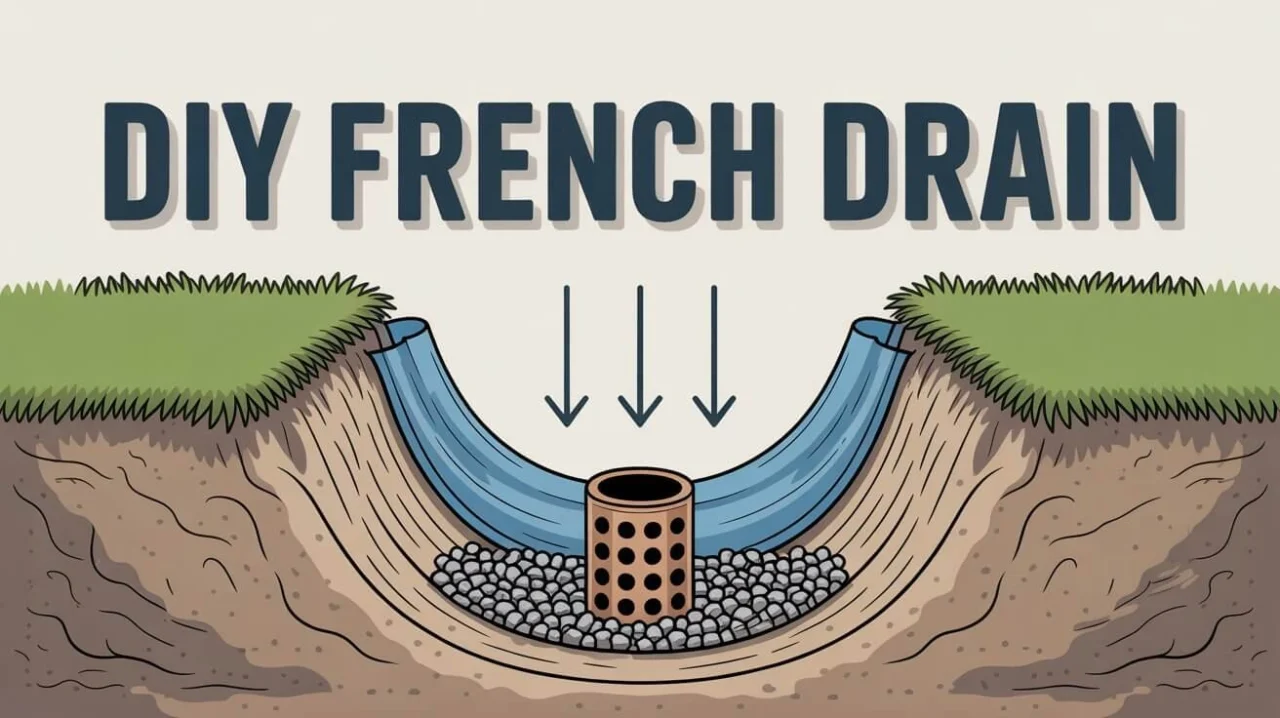
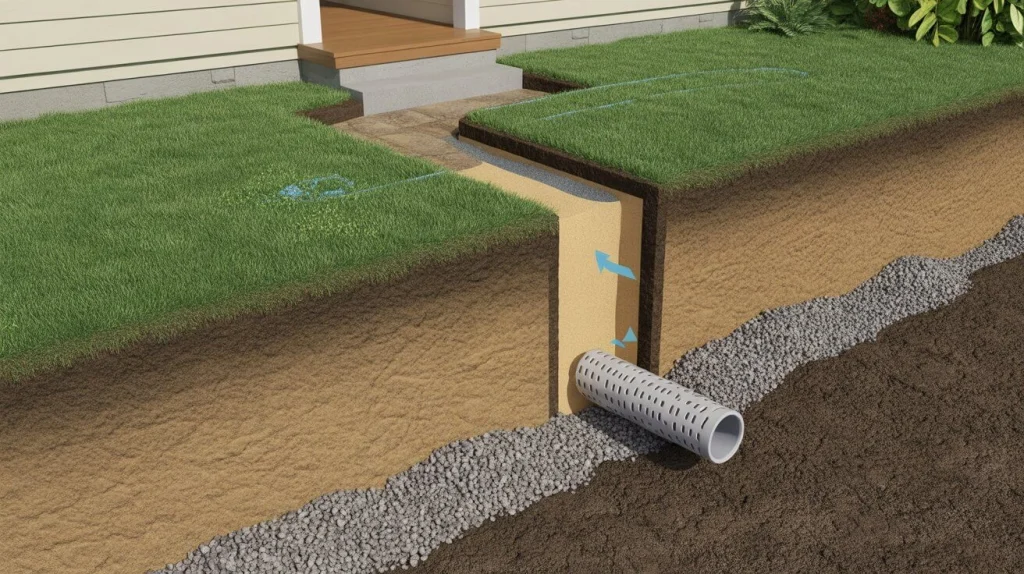
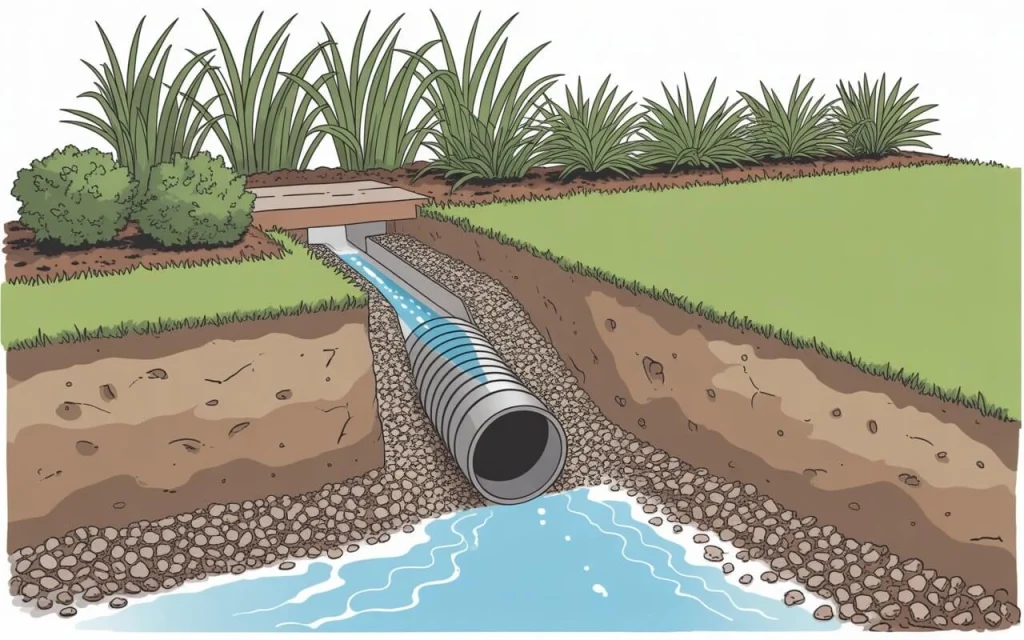
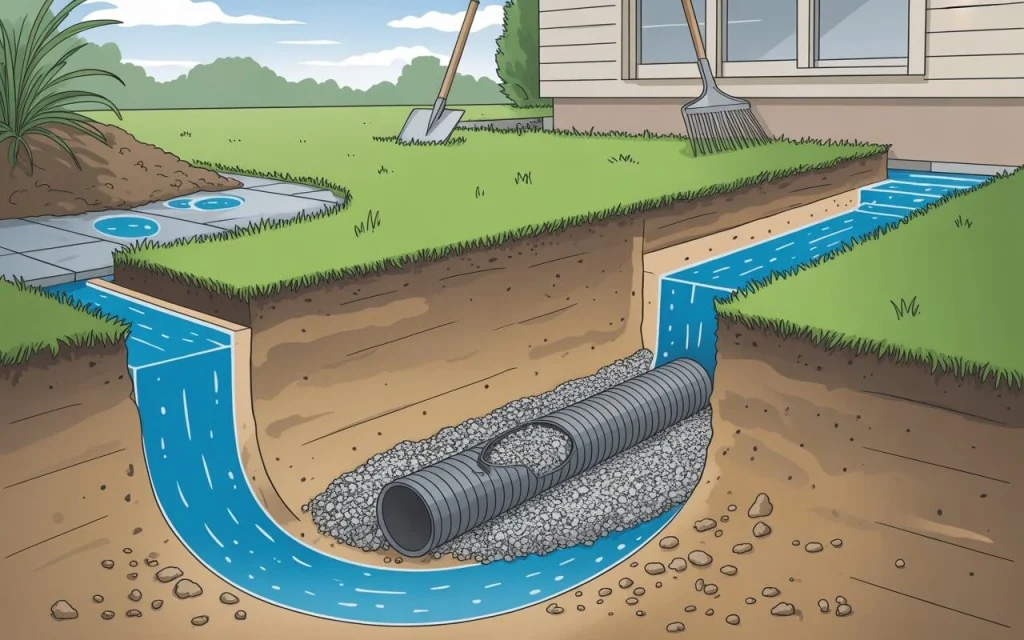
Before diving into installation, it’s important to understand what a French drain is and how it functions. A French drain system is essentially a trench filled with gravel or rock containing a perforated pipe that redirects surface and groundwater away from problem areas. Think of it as creating a controlled pathway for water to flow, preventing puddling and waterlogging in your garden or yard. Installing a DIY French Drain is a practical way to manage excess water efficiently.
How French Drains Work
The concept is simple: water enters the trench through gaps in the gravel and pipe and follows the pipe’s slope to a designated exit point, such as a storm drain, dry well, or natural slope. The gravel ensures water doesn’t clog the system, while the pipe efficiently moves water out of trouble areas.
Types of French Drains
Trench-style French drain: Perfect for narrow areas alongside patios, fences, or garden beds.
Perimeter French drain: Installed around the foundation to prevent basement flooding.
Landscape French drain: Used to redirect water across a lawn or garden area for overall yard drainage.
By understanding these types, you can decide which design works best for your property.
Planning Your DIY French Drain Project
Proper planning is key to a successful project. A rushed installation can lead to clogs, backflow, or ineffective drainage. Here’s how to start:
Assessing the Need
Ask yourself where water collects in your yard. Are certain areas prone to standing water after rain? Is your basement or low-lying garden showing signs of water damage? Observing your property over a few rainfalls can help determine the problem zones.
Measuring and Mapping
Once you’ve identified problem areas, map out the drain path. Measure the length of the trench and calculate the slope — ideally, your trench should slope about 1 inch per 8 feet to allow gravity to guide the water.
Calculating Costs and Gathering Materials
A simple DIY French drain installation guide can help estimate the materials you’ll need:
Perforated drainage pipe
Landscape fabric
Gravel or crushed stone
Shovel and trenching tools
From my experience, sourcing materials from a local garden supply store is both cost-effective and ensures you get the right quality gravel and pipe.
Preparing the Site
Preparation is often overlooked, but it’s crucial for a long-lasting system.
Marking the Drain Path
Use spray paint or stakes with string to outline the trench. This ensures you dig straight and follow the planned slope when installing your DIY French Drain.
Digging the Trench
A typical trench is 6 inches wide and 18-24 inches deep, depending on the volume of water you need to handle. For larger areas, consider slightly wider trenches for better water flow.
Handling Utility Lines
Before digging, check for underground utilities. Contact your local utility companies to mark any water, gas, or electrical lines. Safety first!
Installing the French Drain
Here’s where the project comes together.
Lining the Trench
Line the trench with landscape fabric to prevent soil from mixing with gravel. This also helps prevent the pipe from clogging over time.
Adding Gravel and Pipes
Place a layer of gravel at the bottom, then lay the perforated pipe, ensuring holes face downward. Cover the pipe with more gravel, then fold excess fabric over the top. This setup creates a backyard drainage solution that efficiently directs water away from your yard.
Covering the Drain
Finally, cover the trench with soil and, if desired, grass or decorative stone. This keeps your DIY French Drain hidden while still fully functional.
Tips for an Effective French Drain
Ensure Proper Slope: Gravity is your friend; even a small misalignment can cause pooling.
Prevent Clogs: Keep soil and debris out of the pipe by using landscape fabric and periodic cleaning.
Integrate with Landscaping: Use gravel beds, garden borders, or flower beds to naturally disguise the trench.
Common Mistakes to Avoid
Inadequate Planning: Skipping the mapping or slope calculation can ruin the drain’s efficiency.
Poor Material Selection: Avoid soft pipes or poorly graded gravel; these reduce water flow.
Ignoring Maintenance: Even a well-installed drain needs occasional inspection to clear debris.
Real-Life Case Study: My Backyard Transformation
A few years ago, my backyard turned into a swamp every spring. After consulting with neighbors and reading DIY guides, I decided to install a DIY French drain along the back fence.
Step 1: I mapped a 30-foot trench with a gentle slope toward the street.
Step 2: Dug the trench and laid landscape fabric, followed by a perforated pipe.
Step 3: Covered it with gravel and soil, then reseeded the grass.
Result? Within weeks, rainfall no longer pooled, and the lawn recovered. The best part was the cost savings — professional installation would have cost over $2,000, while my DIY project cost under $350 in materials. This experience confirmed that a well-planned French drain is both practical and achievable for homeowners.
Cost Considerations
Understanding DIY French drain cost and materials is important for budgeting:
Pipe and gravel: $150–$250 depending on length and quality
Landscape fabric: $30–$50
Tools: $50–$100 if you don’t own shovels or trenching equipment
The total investment is a fraction of professional installation, with the added satisfaction of completing a project yourself.
Maintaining Your French Drain
Even the best drains need care:
Inspect the outflow area regularly
Remove leaves or debris from the top layer
Check pipe integrity every season, especially after heavy storms
Regular maintenance ensures your system lasts for years.
Conclusion
A DIY French drain is one of the most effective ways to prevent water problems in your yard or garden. With careful planning, the right materials, and proper slope and drainage techniques, homeowners can create a long-lasting solution without professional help.
From my personal experience, a well-installed French drain can completely transform a soggy, unmanageable yard into a healthy, dry, and enjoyable outdoor space. Whether you’re dealing with standing water or trying to protect your basement from moisture damage, this project is truly worth the effort—much like simple home upgrades such as making a Diy air freshener, it’s practical, affordable, and rewarding.If you’re ready to take control of your yard’s water issues, start planning your DIY French drain today. It’s a smart investment, and there’s real satisfaction in watching it work exactly as intended.
FAQs
Can I build my own French drain?
Yes, a DIY French drain can be built with proper planning, trenching, and materials.
What is a cheaper alternative to a French drain?
Gravel trenches or dry wells can be cost-effective alternatives to a full French drain.
How to make a French drain without pipe?
You can create a French drain using just gravel and trench lining for simple drainage solutions.
How deep should a French drain be dug?
French drains are typically dug 18–24 inches deep, depending on your yard’s drainage needs.
Marion is a dedicated home improvement blog author who has a passion for writing. She enjoys blogging about all sorts of topics, from interior design to landscaping and more! She loves the outdoors and spending time in nature with her family. She also likes to bake in her free time.