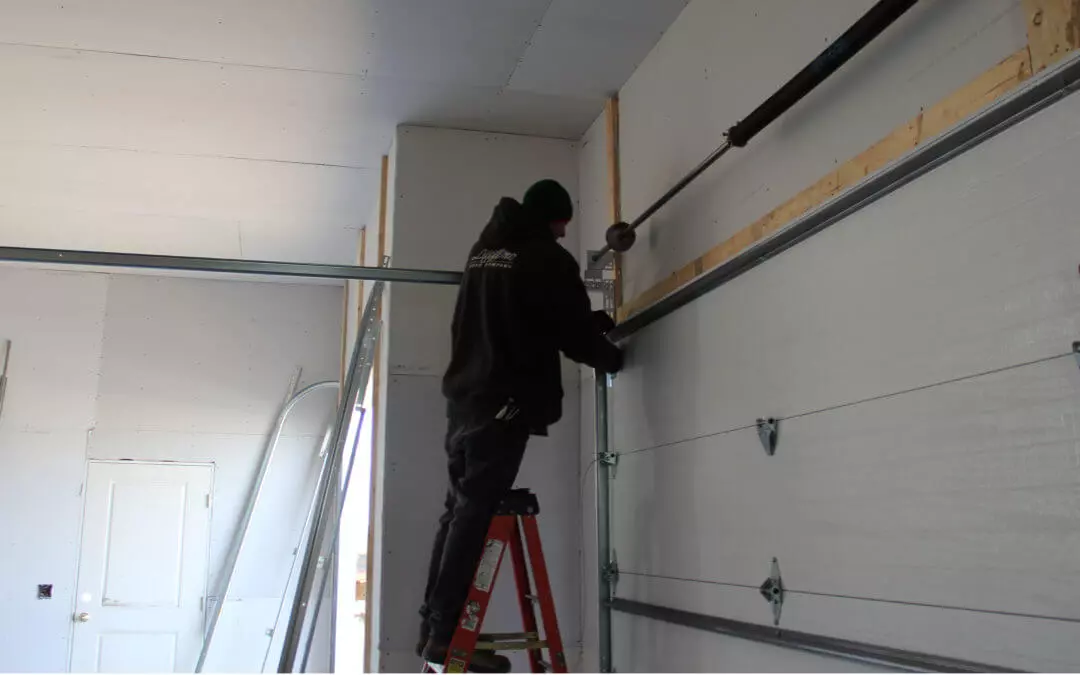
Choosing the right standard garage door height might seem like a small detail, but in real life, it plays a major role in daily convenience, vehicle safety, energy efficiency, and even future-proofing your home. Over the years, while working on Home Garden Web projects and helping homeowners plan smarter garage upgrades, I’ve seen how a simple height decision can either solve problems—or create them.This guide breaks everything down in a clear, practical way, using real examples, expert insights, and homeowner-focused advice so you can make the right choice with confidence.
Content
Understanding Standard Garage Door Height in Simple Terms
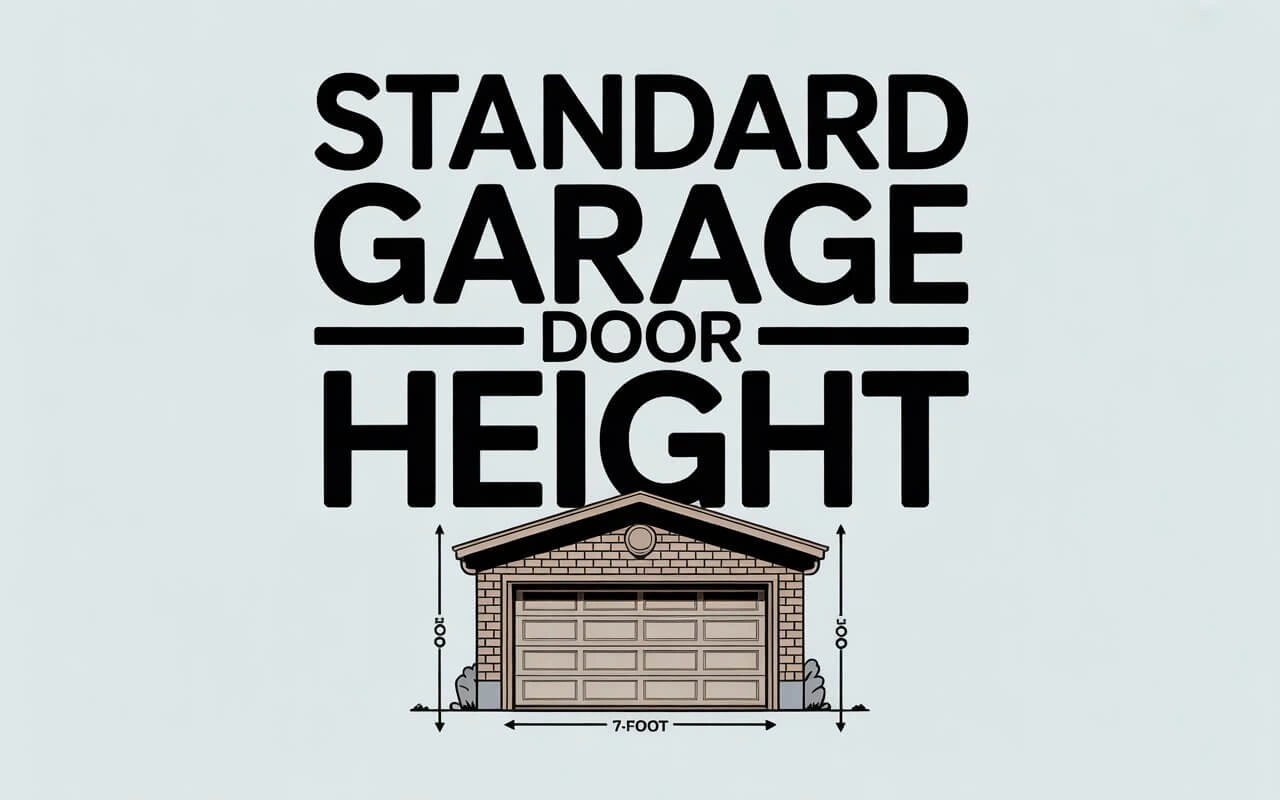
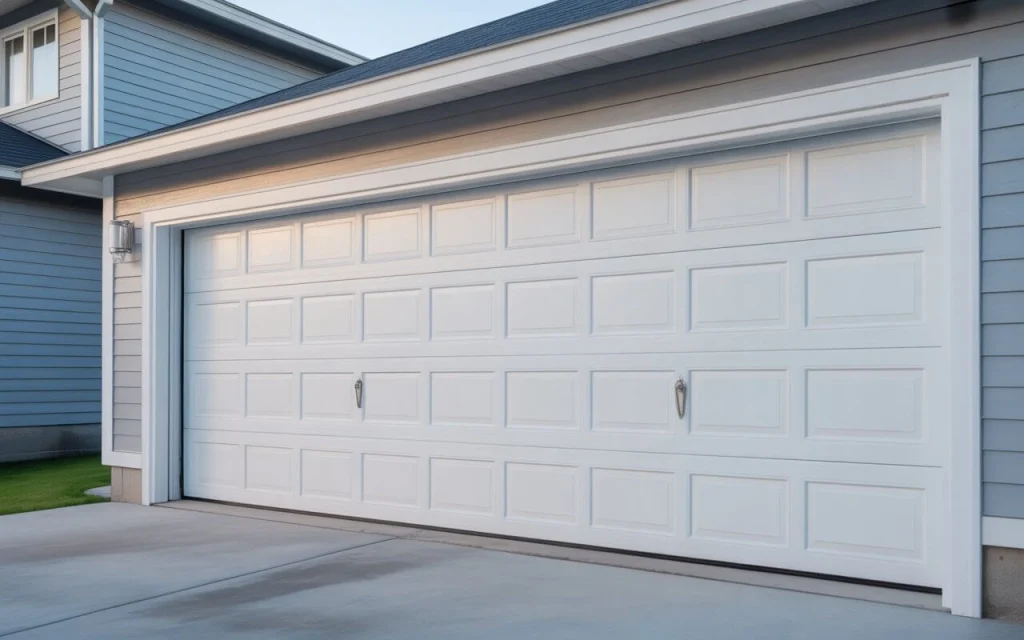
The standard garage door height for most residential homes is 7 feet (84 inches). This size works well for traditional sedans, compact cars, and many mid-size SUVs. In newer homes or upgraded garages, 8-foot garage doors are becoming increasingly common.For commercial properties, garage door height standards vary widely, often starting at 8 feet and extending to 12 feet or more, depending on the building’s purpose.Knowing these garage door height standards early helps avoid costly modifications later.
Why Garage Door Height Standards Exist
Garage door dimensions didn’t become standard by accident. Builders, manufacturers, and city planners developed these measurements to balance:
Vehicle clearance needs
Structural stability
Cost efficiency
Compatibility with openers and tracks
Using standard garage door dimensions ensures easier installation, better part availability, and fewer long-term issues.
Typical Garage Door Height Options You’ll Encounter
Here’s a quick overview of common garage door sizes related to height:
7 feet: Most common residential garage door height
8 feet: Ideal for taller vehicles and modern homes
9–10 feet: Custom residential garages or small commercial use
12+ feet: Warehouses, RV garages, and industrial buildings
Understanding garage opening height versus actual door height is also important. The opening often needs extra clearance for tracks and openers.
Residential Garage Door Height: What Homeowners Should Know
The standard residential garage door height works fine for many families—until lifestyle changes occur.If you own or plan to buy:
SUVs
Pickup trucks
Roof racks or cargo boxes
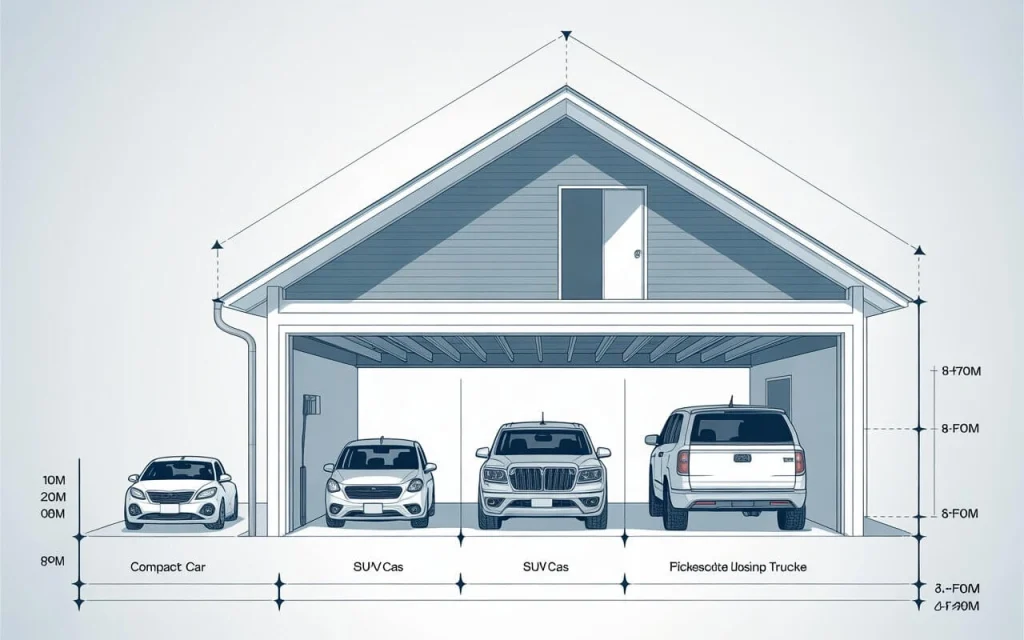
You may quickly realize that a standard garage door height for SUVs and trucks can feel limiting.Many homeowners now ask: what is the standard garage door height that truly works long-term? In many cases, the answer is moving from 7 feet to 8 feet.
Commercial Garage Door Height: Different Needs, Bigger Impact
In commercial settings, garage door height requirements are based on function, not tradition. Delivery vans, forklifts, and service vehicles require more vertical space.
Commercial builders often consider:
Vehicle frequency
Loading clearance
Local building codes
Equipment height
This makes commercial garage door height planning far more specialized than residential projects.
Vehicle Clearance: A Commonly Overlooked Factor
One of the biggest mistakes homeowners make is ignoring garage door clearance height.A 7-foot door may technically fit your vehicle—but barely. Add:
Roof rails
Bike mounts
Antennas
And suddenly, you’re dealing with scratches or dents.When planning, always compare standard garage door height vs opening height to ensure enough clearance for real-world use.
Energy Efficiency and Garage Door Height
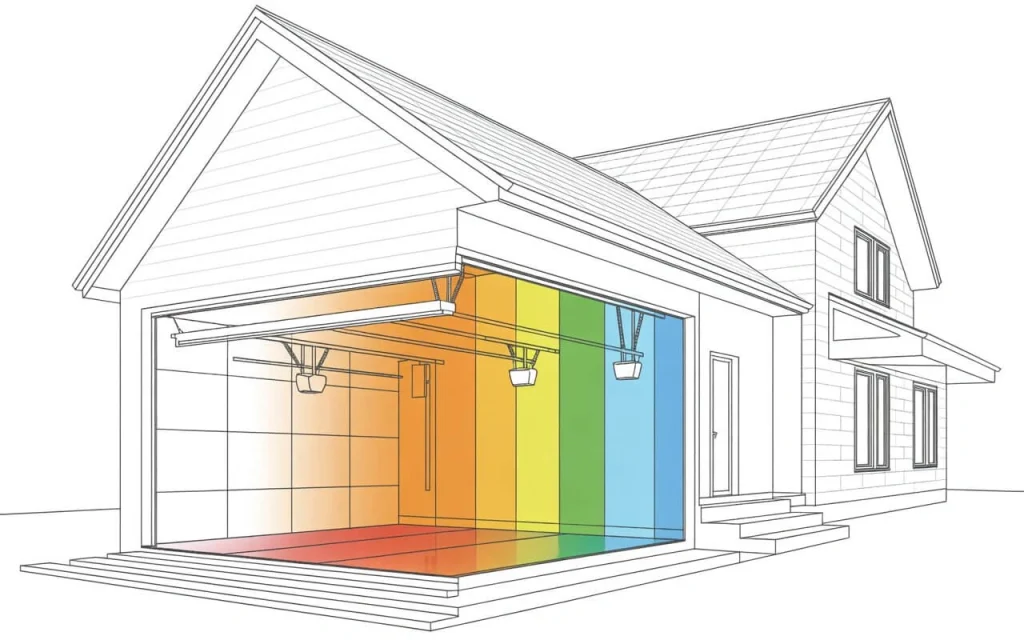
A taller garage door increases air volume, which can affect temperature control. However, modern insulated doors reduce this issue significantly.
Proper sizing helps:
Minimize heat loss
Improve insulation performance
Reduce HVAC strain
Choosing the right height supports better energy efficiency without sacrificing convenience.
Storage and Vertical Space Benefits
Garage door height doesn’t just impact vehicles—it affects storage.With taller doors, homeowners can:
Install overhead storage racks
Add wall-mounted shelving
Create multi-purpose garage spaces
This makes garage door size requirements a key factor in garage organization and usability.
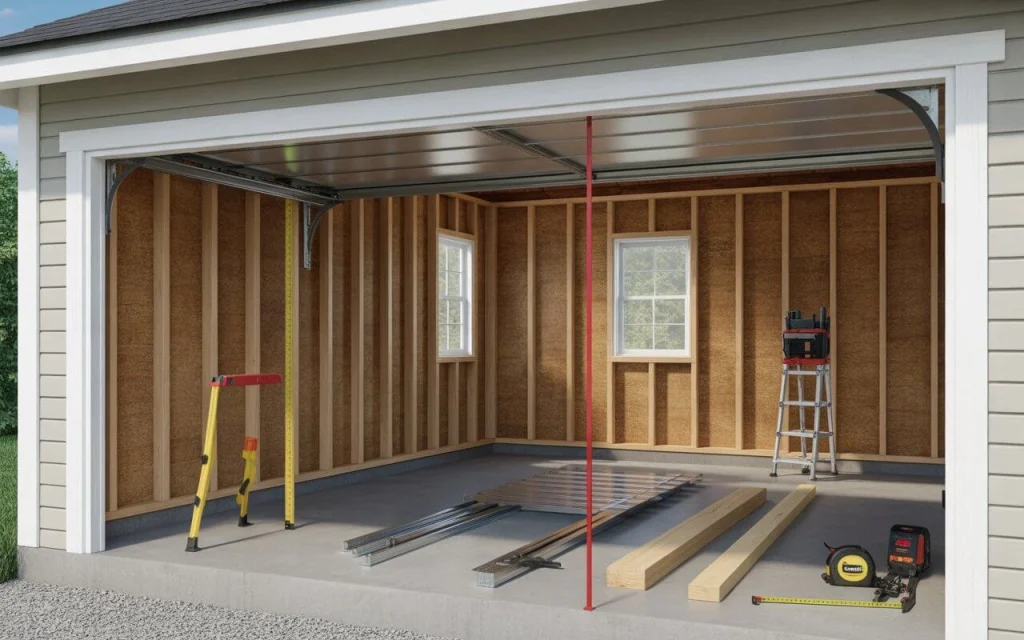
How to Measure Standard Garage Door Height Correctly
If you’re wondering how to measure standard garage door height, follow these steps:
Measure from the floor to the top of the opening
Measure headroom space above the opening
Check side room clearance
Confirm ceiling height
Accurate measurements help prevent installation issues and costly corrections.
Building Codes and Height Regulations
Local regulations may dictate minimum garage door height requirements, especially for new constructions.
Always check:
Municipal building codes
HOA restrictions
Fire safety requirements
These rules ensure safety and compliance while influencing final design decisions.
Can Garage Door Height Be Increased Later?
Many homeowners ask: can garage door height be increased after installation?Yes—but it’s not always simple. Increasing height may require:
Structural changes
Header modification
New tracks and openers
Planning the right height upfront is almost always more cost-effective.
Real-Life Case Study: A Costly Lesson Turned Smart Upgrade
One homeowner I worked with, Mr. Ali, built a new garage with a standard garage door height of 7 feet. At the time, it suited his sedan perfectly.Two years later, he upgraded to a pickup truck. The truck fit—barely. Adding a roof rack made garage access impossible.Instead of living with the problem, he chose to increase the door height to 8 feet. The project required structural adjustments, new tracks, and a new opener—but the result transformed his garage usability.His takeaway? “If I had planned for future vehicles, I would’ve saved money and stress.”This real-life example highlights why planning beyond current needs matters.
Choosing the Right Garage Door Height for Your Situation
When deciding, consider:
Current and future vehicles
Storage plans
Energy efficiency goals
Budget constraints
The standard garage door height in feet works for many homes, but customization often delivers better long-term value.
Key Takeaways for Homeowners and Builders
7 feet is standard, but 8 feet is increasingly popular
Vehicle height matters more than most people expect
Storage, insulation, and clearance all depend on height
Understanding garage door height standards empowers you to make smarter design decisions that last for years.
Final Thoughts from a Home Garden Web Expert
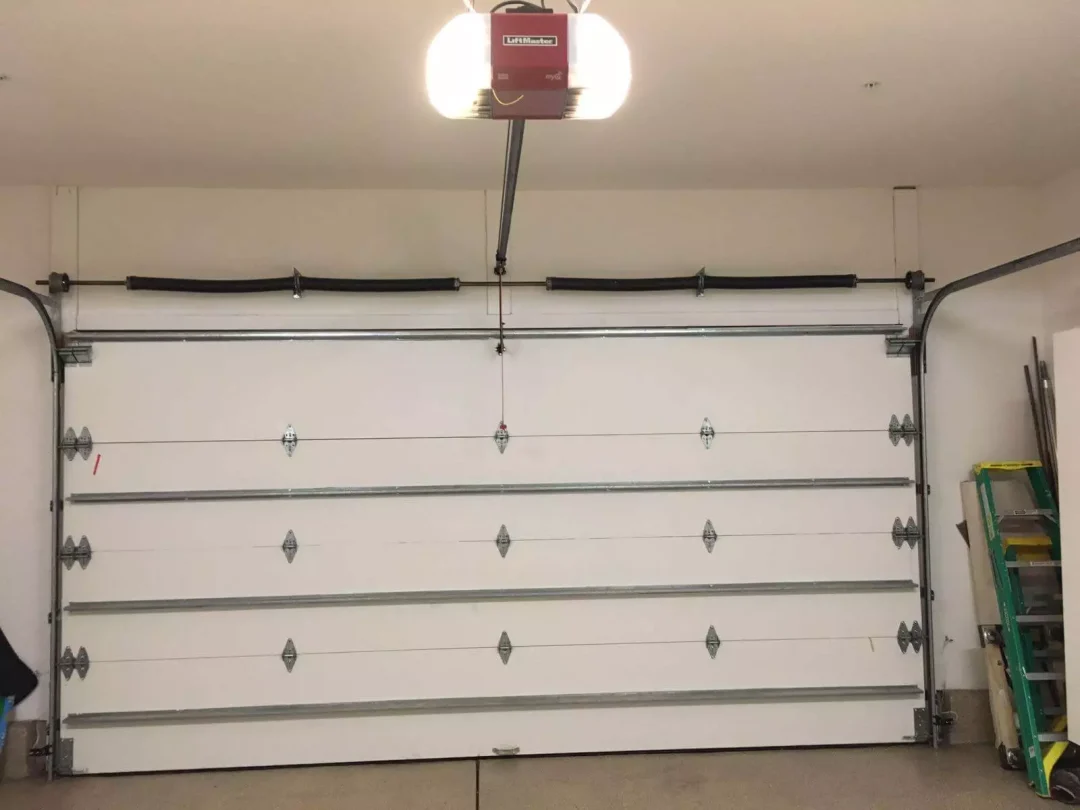
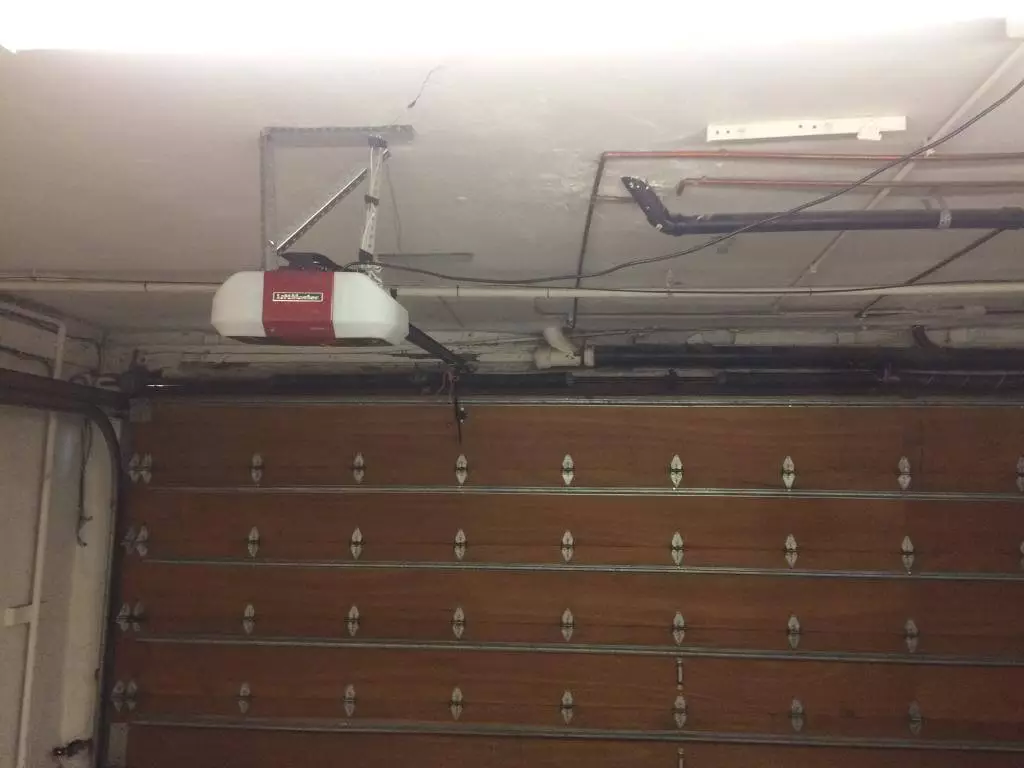
From my experience working on Home Garden Web projects, the best garage designs are the ones that anticipate change. Cars get bigger, storage needs grow, and lifestyles evolve. Choosing the right standard garage door height today isn’t just about meeting current needs—it’s also about ensuring proper clearance for a garage door opener and smooth operation as your needs change. A little planning now can save you years of inconvenience, upgrades, and unexpected costs later.
FAQs
What is the average height of a 2 car garage?
Average height for a 2 car garage is usually 7–8 feet to fit most vehicles comfortably.
What is the height of a garage in meters?
Standard garage height is about 2.13–2.44 meters for residential homes.
What size garage door for a truck?
For trucks, a garage door height of 8 feet or more is recommended.
Are most doors 32 or 36 inches?
Residential entry doors are commonly 32 or 36 inches wide, depending on design.
What is a good height for a garage?
A good garage height ranges from 7–8 feet for vehicles and storage flexibility.
Marion is a dedicated home improvement blog author who has a passion for writing. She enjoys blogging about all sorts of topics, from interior design to landscaping and more! She loves the outdoors and spending time in nature with her family. She also likes to bake in her free time.