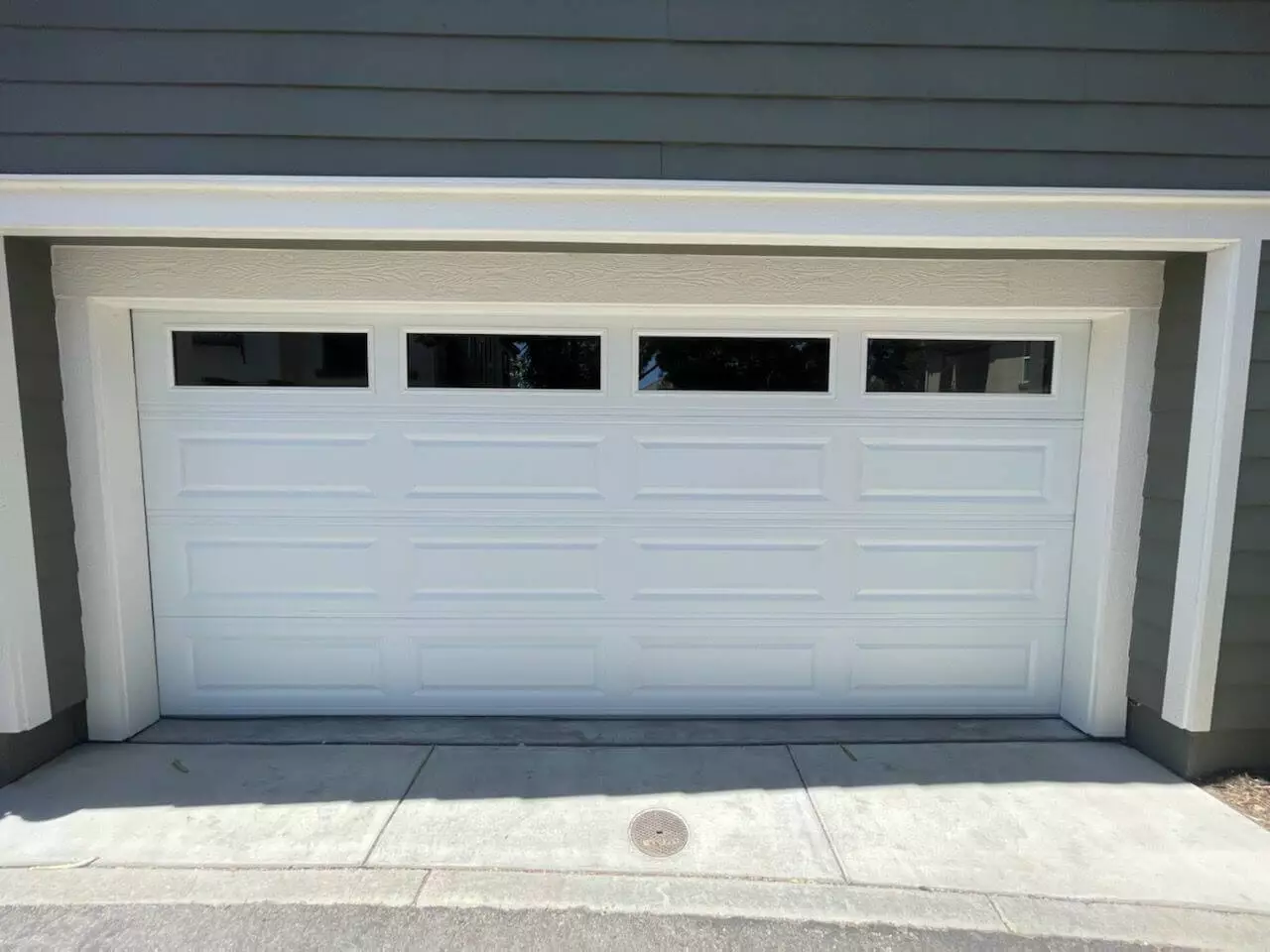
When it comes to enhancing your home’s curb appeal, your garage door plays a significant role. A well-maintained and rust-free garage door can significantly improve the overall appearance of your property. Rust, however, can be a common issue for many homeowners, detracting from the visual appeal and potentially causing damage to the door if left untreated. In this article, we’ll guide you through the process of removing rust from your garage, helping you revive its curb appeal and ensure its longevity.
Content
Assessing the Rust Damage on Your Garage Door
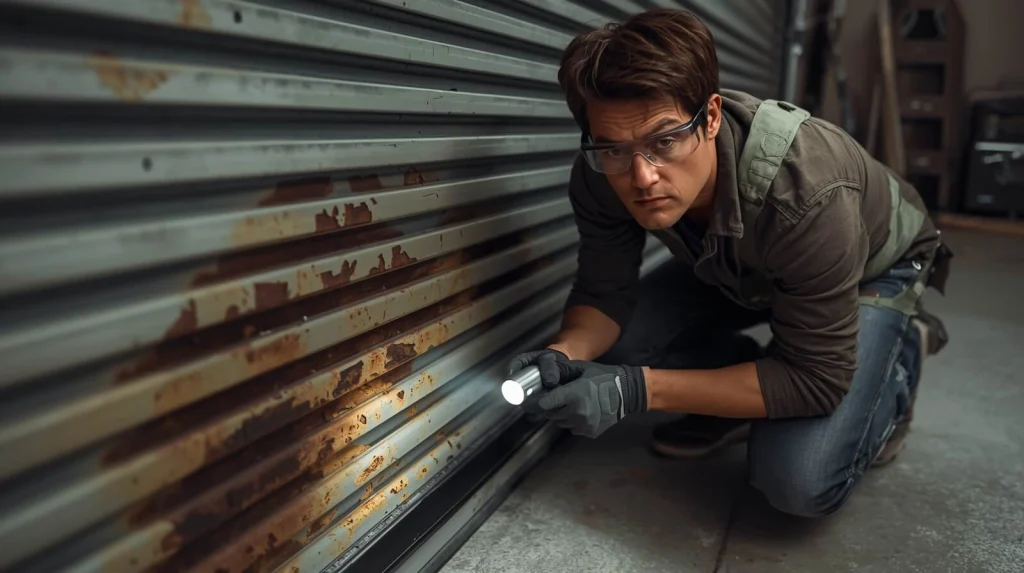
Before you begin the rust removal process, it’s essential to assess the extent of the damage. Inspect your garage door thoroughly, paying attention to areas where rust is visible. Minor surface rust can often be treated easily, while more severe rusting may require professional assistance or even garage door replacement in Short Pump.
Gather the Necessary Tools and Materials
You’ll need a few tools and materials to effectively remove rust from your garage door. Here’s a list of what you’ll typically require:
Wire brush or steel wool
Sandpaper (medium grit)
Rust converter or rust remover solution
Primer
Paint matching your garage door color
Paintbrushes
Clean cloth or sponge
Safety goggles, gloves, and a face mask
Preparing for Rust Removal
Clean the garage door surface to remove any dirt, debris, or loose rust. Use a mild detergent or soapy water and a cloth or sponge to scrub the affected areas gently. Rinse thoroughly and let the door dry completely before moving on to the next step.
Removing Surface Rust
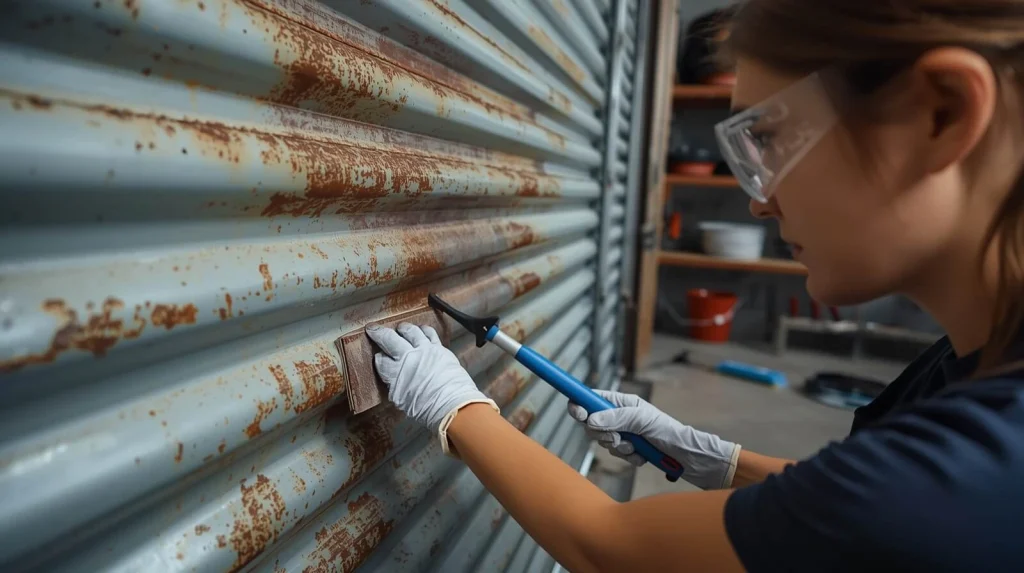
For minor rust spots, a wire brush or steel wool can be effective tools for removal. Gently scrub the rusted areas in a circular motion until the rust is removed. Remember to work carefully, avoiding excessive force that could damage the door’s surface.
Treating Stubborn Rust
If the rust on your garage door persists or is more extensive, use medium-grit sandpaper to remove it thoroughly. Sand the affected areas until the rust is gone, feathering the edges to create a smooth surface and prepare the door for repainting or protective coating.
Applying Rust Converter or Remover
To prevent future rust formation and provide a protective layer, apply a rust converter or rust remover solution to the affected areas. Follow the product instructions carefully, as application methods may vary. Allow sufficient time for the converter or remover to dry before moving on to the next step.
Priming and Painting
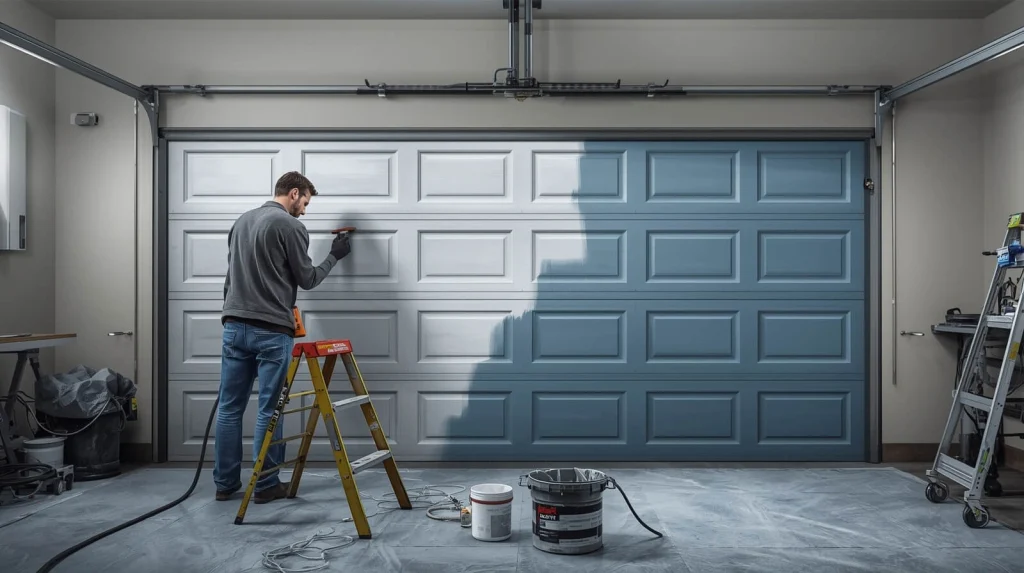
Once the rust is removed and the treated areas are dry, apply a coat of primer to create a smooth and even surface. After the primer dries, apply the matching paint color to the garage door, using thin coats for a better finish. Follow the manufacturer’s instructions regarding drying times between coats to achieve optimal results.
Maintenance and Prevention
Regular maintenance is essential to keep your garage door rust-free and in good condition. Clean the door periodically with mild soap and water to remove dirt and grime. Inspect all components, including the garage door opener, for signs of rust or damage, and address them promptly to prevent further deterioration. Applying a fresh coat of paint every few years can also help protect the door from rust formation.
Final thought
Regular inspection and maintenance are key to keeping your garage door in top condition. Addressing rust early and treating affected areas promptly can extend the life of your door, maintain its appearance, and ensure smooth, safe operation. A well-maintained garage not only protects your home but also adds lasting value and curb appeal.
FAQs
Do garage door companies make good money?
Many companies earn a solid income, especially those offering repairs, installations, and maintenance services
What is a day in the life of a garage door technician?
Technicians typically handle installations, repairs, and maintenance, often visiting multiple sites daily.
What are the 5 basic maintenance skills?
Key skills include lubrication, tightening hardware, inspecting springs, testing safety features, and cleaning tracks.
Is a garage a good place to work?
Garages can be practical workspaces if well-organized, ventilated, and equipped with the right tools.
Thomas is a home improvement blogger who strives to improve his life and the lives of others. He provides homeowners with helpful tips on how to renovate their homes. His goal is not only to provide easy-to-follow instructions, but also share his own personal experiences for those seeking guidance.