
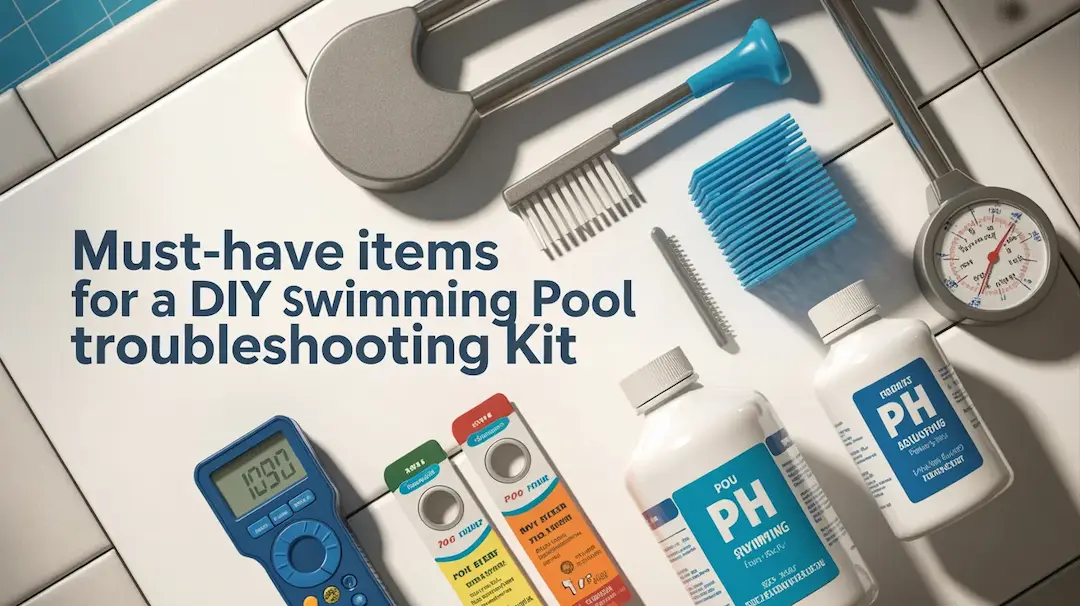
Owning a swimming pool brings endless summer fun, but it also comes with inevitable maintenance challenges. Whether you’re dealing with cloudy water, a noisy pump, or a heater that won’t warm up, being prepared can make all the difference. That’s where a troubleshooting kit comes in handy. With the right tools and supplies on hand, you can identify everyday issues before they turn into costly repairs.
Below, we’ll cover the essential items every pool owner should keep in their troubleshooting kit—plus some smart storage ideas to keep everything neatly organized.
Content
1. Water Testing Kit
At the top of every pool owner’s list is a comprehensive water testing kit. Water chemistry affects every part of your pool system, so routine testing is essential.
A complete kit should measure key parameters such as:
- pH levels
- Chlorine or bromine balance
- Total alkalinity
- Calcium hardness
- Cyanuric acid (stabilizer)
Digital pool testers are a great investment for accuracy. If you prefer a manual option, look for a professional‑grade drop test kit rather than strips. Keep extra reagents or test tablets on hand so you never run out mid‑season.
Pro tip: Record your results weekly in a notebook or on your phone. Patterns often reveal early clues about water circulation or filtration issues.
2. Pool Brush and Vacuum
Debris and algae are common culprits behind pool chemistry imbalances. A sturdy pool brush—especially one designed for vinyl, plaster, or fiberglass—helps scrub away growth before it gets out of control. Pair it with a manual or automatic vacuum to remove fine particles from the pool floor.
When troubleshooting poor water clarity or unexpected algae blooms, always start with a thorough cleaning. You’ll waste fewer chemicals once the debris is gone.
3. Skimmer, Net, and Leaf Rake
Even with regular maintenance, leaves and insects can cause surface stains or clog your filter system. A skimmer or leaf net makes it simple to scoop out floating debris. A deep leaf rake, meanwhile, helps reach the bottom for heavier buildup after storms or windy days.
Store these tools so they remain protected from the sun when not in use. A smart organizational solution is to use Keter’s full selection of outdoor storage shed options, which provide weather‑resistant housing for all your pool gear while keeping your patio visually clutter‑free.
4. Multimeter and Voltage Tester
If your pump, heater, or lights aren’t functioning, electrical troubleshooting might be required. A multimeter or non‑contact voltage tester is an essential safety tool. These devices can help determine whether power is reaching your pump or motor without dismantling anything.
Use these only if you’re comfortable working around electrical components. Otherwise, cut the power and call a professional. Still, having the tool in your kit enables informed discussions with technicians when you suspect a component failure.
5. Replacement O‑Rings, Gaskets, and Lubricant
Small parts often cause big problems. A worn‑out O‑ring or gasket can lead to leaks that compromise suction and water circulation. Keeping a few common replacement parts and a tube of silicone‑based pool lubricant ensures you’re ready for quick fixes.
When assembling your kit, include:
- Pump lid O‑rings
- Chlorinator gaskets
- Skimmer basket seals
Apply a thin film of lubricant to extend their lifespan and prevent future leaks.
6. Screwdrivers, Allen Wrenches, and Pliers
Sometimes troubleshooting is as simple as tightening a screw or disconnecting a hose clamp. A basic hand tool set is invaluable for small mechanical adjustments. Choose stainless steel tools that resist rust, and store them in a waterproof case.
You’ll also appreciate having Teflon tape for minor pipe repairs, and a small brush for scrubbing filter baskets or impeller parts.
7. Manual and Reference Guides
Even the most hands‑on pool owner occasionally needs a reminder. Keep your owner’s manuals and troubleshooting charts in a sealed folder within your kit. This should include diagrams for your pump, filter, heater, and chlorinator.
If you own Hayward equipment, reviewing a Hayward pool pump troubleshooting guide is especially useful for diagnosing noise, low pressure, or prime loss issues. Having these instructions on hand will save time and frustration when you’re trying to pinpoint the source of a problem.
8. Safety Essentials
Safety often gets overlooked during pool repairs. Always keep basic protective gear within your troubleshooting kit, such as:
- Safety goggles
- Chemical‑resistant gloves
- Non‑slip shoes
- First‑aid kit
These small items prevent accidents and make maintenance more comfortable and secure, especially when handling acids or electrical components.
9. Labeling and Storage Tips
Once assembled, your pool troubleshooting kit deserves proper storage. Organize tools in clear containers by category (testing, cleaning, mechanical). Label everything for easy access, and use silica gel packets to prevent moisture buildup.
If you have limited garage space, consider outdoor storage units designed for poolside environments. They’ll keep your gear accessible while shielding it from the elements.
Building your own DIY swimming pool troubleshooting kit is an investment that pays off in peace of mind. When you have the right tools ready—testing kits, brushes, safety gear, and key replacement parts—you can spot issues early and take confident action before they worsen. Plus, with smart storage solutions, you’ll keep your backyard area neat and ready for year‑round enjoyment.
After all, a little preparation today ensures more time relaxing poolside tomorrow.

Thomas is a home improvement blogger who strives to improve his life and the lives of others. He provides homeowners with helpful tips on how to renovate their homes. His goal is not only to provide easy-to-follow instructions, but also share his own personal experiences for those seeking guidance.