Tired of piling up suits, silk blouses, or delicate sweaters just to send them off to the dry cleaner? You’re not alone. Home dry cleaning is becoming a popular alternative for busy households who want to save time, money, and still keep their garments looking fresh. In this guide, we’ll explore everything you need to know about home dry cleaning, including practical tips, techniques, and even real-life examples of how it works in everyday life.
Content
Why Home Dry Cleaning is Gaining Popularity
For many of us, professional dry cleaning is expensive and time-consuming. A single trip to the dry cleaner can take hours and add up quickly, especially for families or working professionals with multiple delicate garments.
Home dry cleaning offers a convenient solution. By using simple at-home kits or following careful DIY cleaning techniques, you can clean delicate fabrics safely without leaving your house. Beyond convenience, it’s also an eco-friendly dry cleaning alternative, reducing the chemicals and packaging waste often associated with traditional dry cleaners.
Essential Tools and Supplies for Home Dry Cleaning
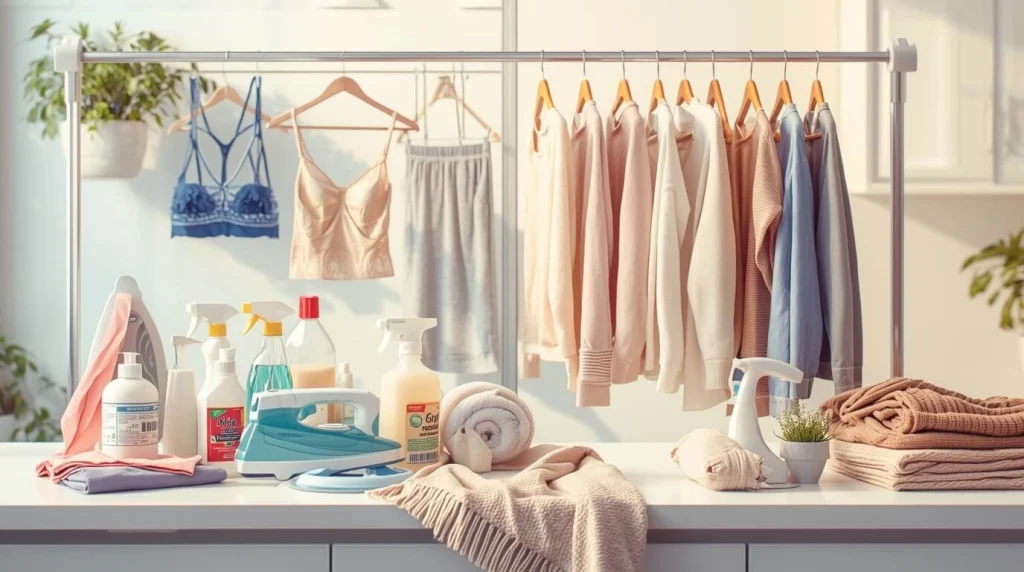
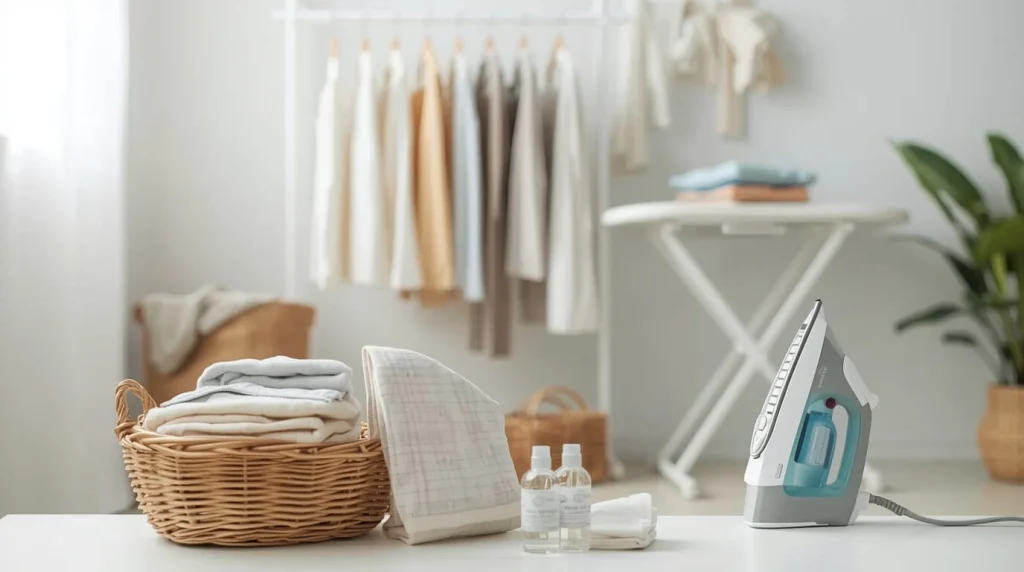
Before you get started, it’s helpful to gather a few essential supplies. Most at-home cleaning methods require only a minimal setup:
Cleaning kits: Widely available in stores and online, these kits typically include a cleaning cloth, a reusable bag, and step-by-step instructions for use.
Gentle stain removers: Perfect for pre-treating stubborn spots on delicate fabrics.
Lint rollers: Handy for removing dust, hair, and light debris before cleaning.
Fabric care labels: Always check garment instructions to avoid damage during the cleaning process.
Having the right tools on hand ensures your clothes stay in excellent condition and reduces the risk of mishaps.
Step-by-Step Home Dry Cleaning Process
Not every at-home cleaning method works the same, so it’s important to consider a few key factors:
Fabric type: Delicate materials like wool, silk, and cashmere need extra care, while cotton blends and polyester are usually easier to clean.
Level of soiling: Clothes that are only lightly worn or have minor spots respond better to home cleaning than heavily stained items.
Equipment available: Some kits need a dryer to work properly, while others are designed for air drying. Make sure your tools match the instructions for the best results.
Case Study: How Home Dry Cleaning Transformed a Busy Family’s Routine
Meet Sarah, a busy mom of two who juggles work, household chores, and her husband’s professional wardrobe. Previously, Sarah spent over $150 a month sending suits, dresses, and delicate work clothes to the dry cleaner.After trying at-home cleaning methods, she decided to test a few wool blazers and silk blouses. With a specially designed cleaning kit, she was able to:
Reduce trips to the dry cleaner from twice a week to once a month.
Save over $120 monthly.
Maintain the appearance and texture of her delicate clothes, even after multiple cleaning cycles.
Sarah’s experience highlights the practical benefits of home dry cleaning for families, professionals, or anyone seeking a cost-effective solution without compromising garment quality.
Tips for Choosing the Right Home Dry Cleaning Method
Not all at-home cleaning methods are equally effective. Here are a few important factors to keep in mind:
Fabric type: Wool, silk, and cashmere need gentle care, while cotton blends and polyester are generally easier to handle.
Level of soiling: Garments that are lightly worn respond better to at-home cleaning than heavily stained items.
Equipment available: Some kits require a dryer, while others only need air drying. Make sure your setup aligns with the product instructions.
Common Mistakes to Avoid
Even experienced users can make errors during home dry cleaning. Avoid these pitfalls:
Ignoring garment care labels: Not all clothes are suitable for at-home cleaning.
Overloading the dryer: This can lead to uneven cleaning and fabric damage.
Using too much stain remover: Excess chemicals can harm delicate fabrics.
Skipping ironing or steaming: Wrinkles can make your clothes look unkempt even after cleaning.
By staying mindful of these mistakes, you can achieve results comparable to professional dry cleaning.
Advantages of Home Dry Cleaning
Cost-effective: Save money on repeated trips to the dry cleaner.
Time-saving: Clean your clothes at your convenience.
Eco-friendly: Reduce chemical use and packaging waste.
Gentle on fabrics: Avoid harsh solvents used in traditional dry cleaning.
When to Still Visit a Professional Dry Cleaner
While at-home cleaning methods work well for many garments, certain situations still call for professional care:
Extremely soiled clothing
Luxury fabrics such as velvet or leather
Heavy coats or structured suits
Garments with intricate embellishments
These methods are best suited for routine maintenance, spot cleaning, and lightly worn items, ensuring your wardrobe stays in top condition without risking damage.
Conclusion:
Home dry cleaning is more than just a convenient alternative—it’s a practical, cost-saving, and eco-friendly way to care for your clothes. With a simple kit, a few basic supplies, and careful handling, you can maintain delicate fabrics without relying entirely on professional services. Just like Sarah discovered, incorporating this routine can save money, reduce stress, and keep your clothes looking fresh and polished. Start with a few garments, and soon it will become an essential part of your at-home garment care.
FAQs
What is a natural alternative to dry cleaning?
Natural options include eco-friendly solutions like DIY cleaning sprays or home cleaning kits for delicate fabrics.
How to dry clean at home without a machine?
Use gentle cleaning kits, hand spot treatment, and air drying for delicate garments without a dryer.
What makes a good dry cleaner?
A good dry cleaner handles fabrics carefully, uses safe cleaning methods, and preserves garment quality.
Why do my clothes still smell after dry cleaning?
Residual odors may occur if garments weren’t fully cleaned or chemicals linger; proper airing can help.
Marion is a dedicated home improvement blog author who has a passion for writing. She enjoys blogging about all sorts of topics, from interior design to landscaping and more! She loves the outdoors and spending time in nature with her family. She also likes to bake in her free time.