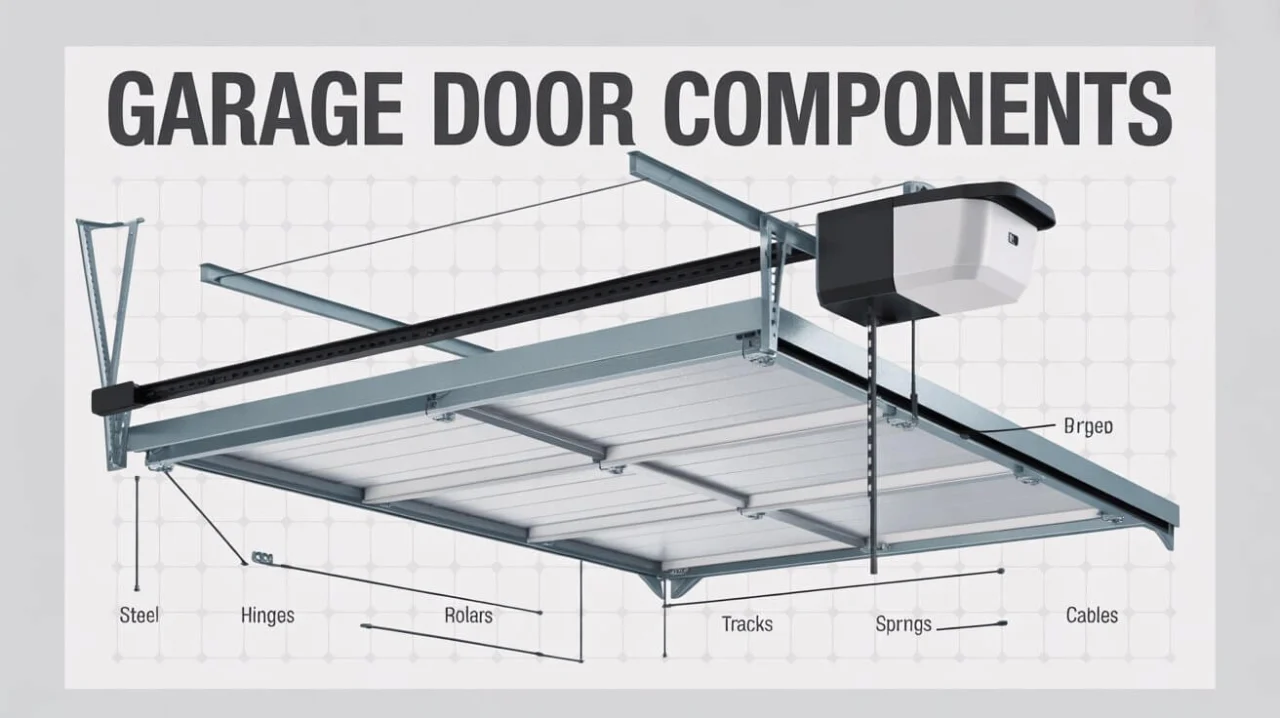
Owning a home comes with a lot of responsibilities, and keeping your garage in top shape is one of them. Your garage door is more than just a large metal panel; it’s a complex system made of numerous garage door components that work together to ensure smooth operation, safety, and security. Understanding these parts can save you from costly repairs, extend the life of your door, and even prevent accidents.
In this guide, we’ll break down every essential garage door component, explain its function, share real-life use cases, and provide practical tips for maintenance. By the end, you’ll have a clear understanding of how your garage door works and how to keep it running flawlessly.
Content
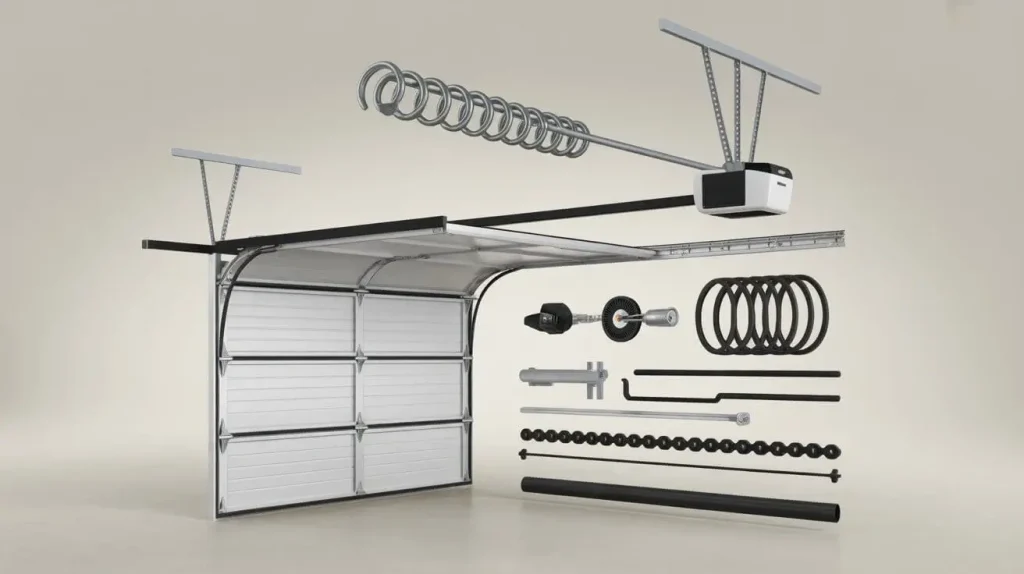
Key Garage Door Components and Their Functions
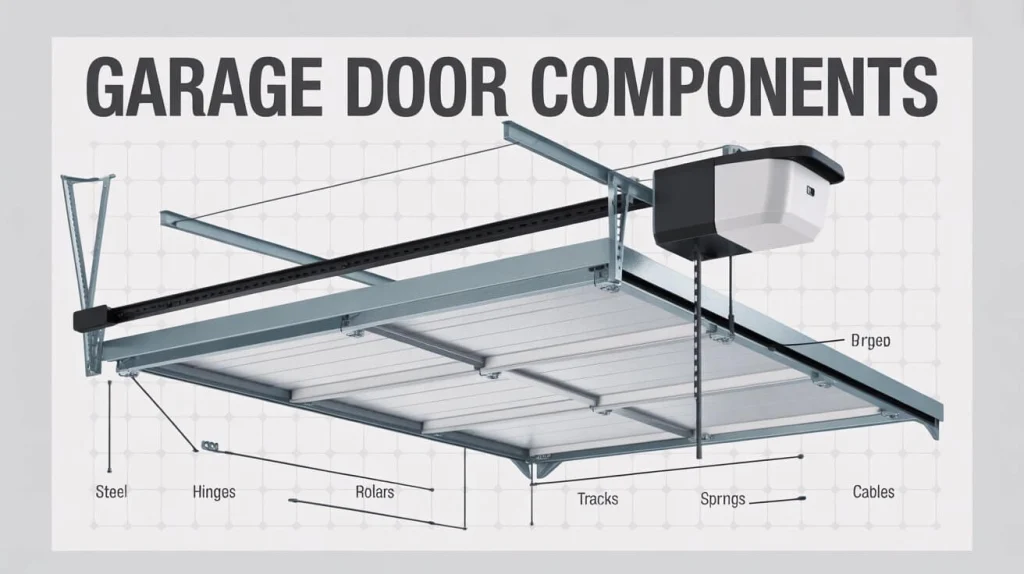
A garage door may seem simple from the outside, but inside it houses numerous critical parts. Let’s explore the main garage door components, their functions, and why they matter.
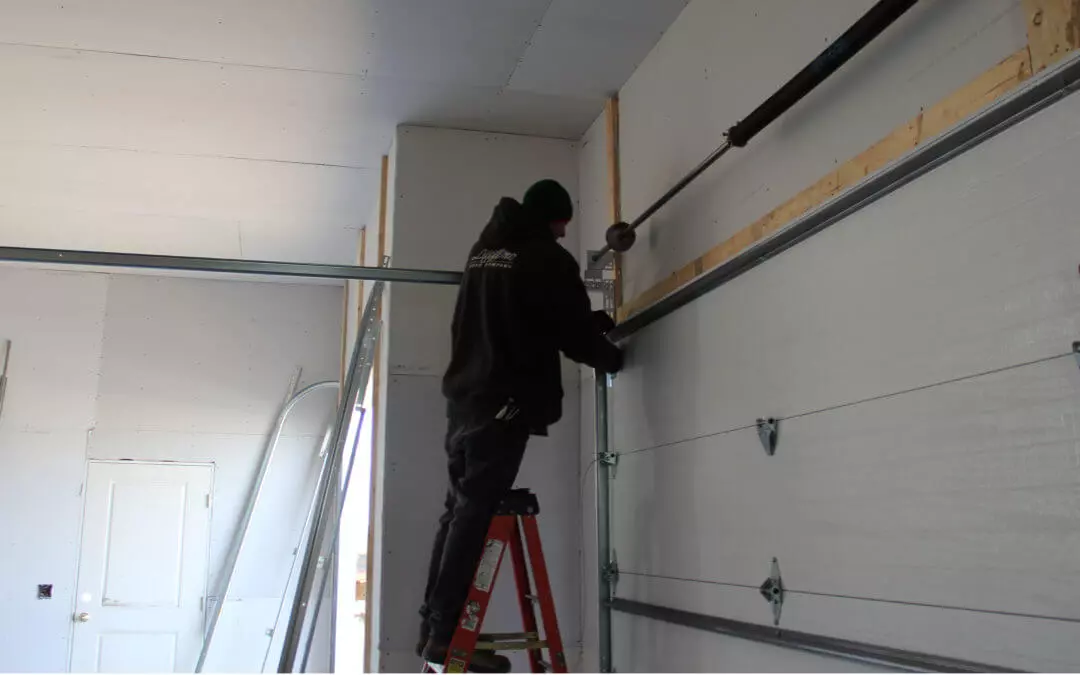
1. Garage Door Torsion Spring
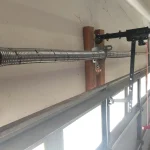
The torsion spring is the heart of a garage door. It stores energy to lift and lower the door smoothly. Without it, the door becomes extremely heavy and difficult to operate. Torsion springs wear out over time, so regular inspection is essential.
Tip: If you hear loud creaks or notice uneven door movement, the torsion spring may need professional attention.
2. Garage Door Rollers and Tracks
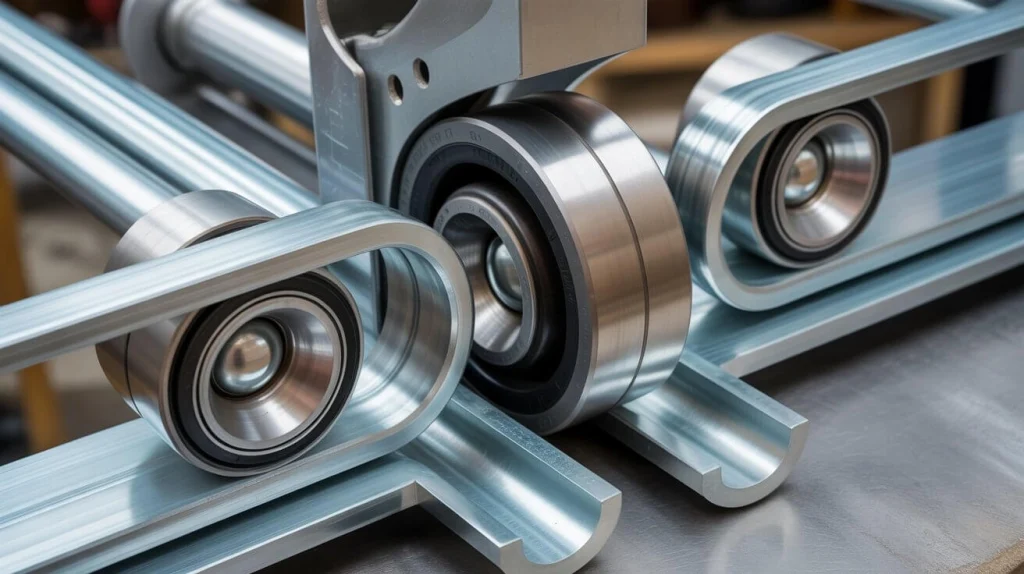
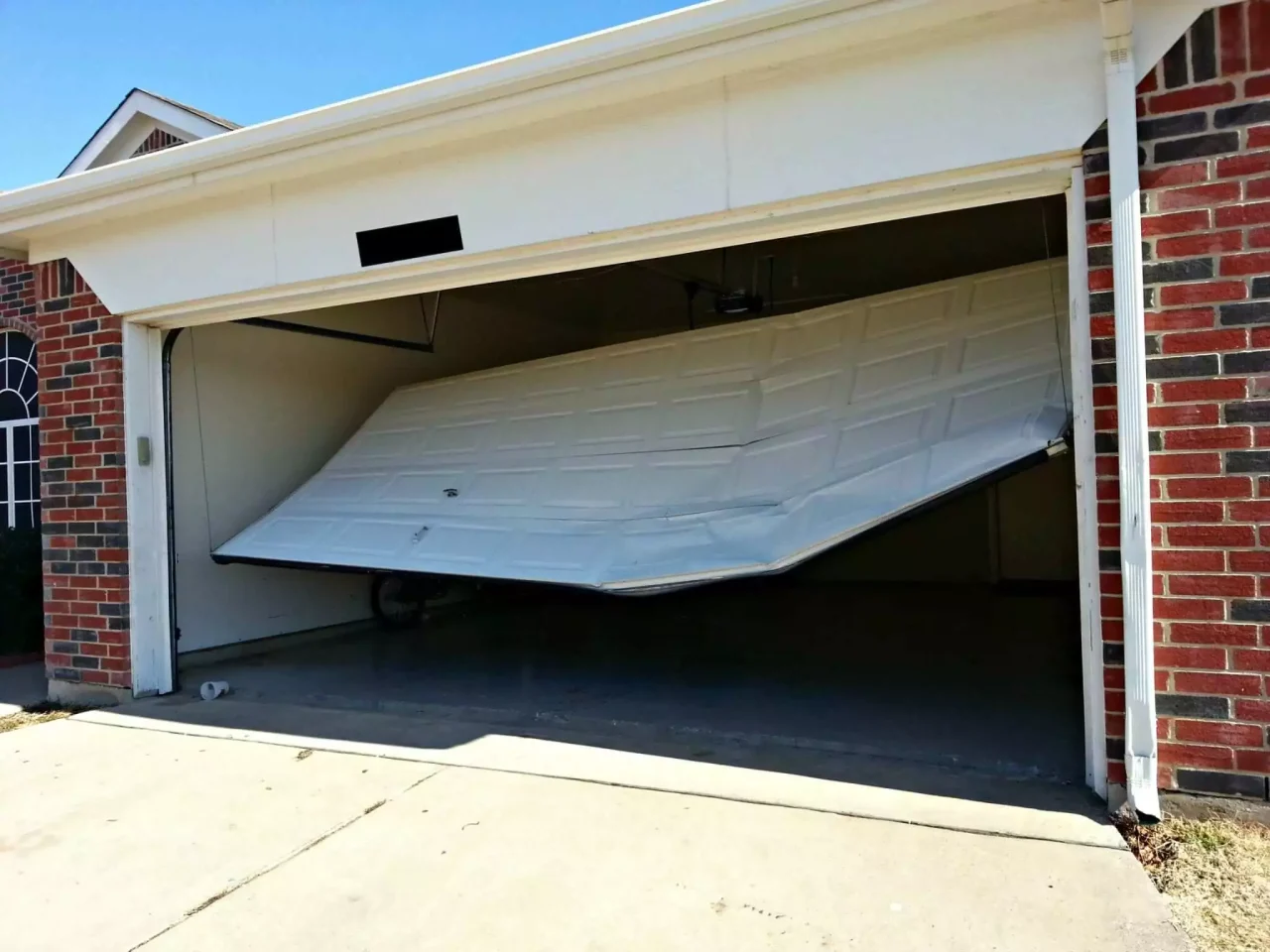
Rollers glide along tracks to guide the door upward and downward. Tracks must remain straight and free from debris for smooth operation. Worn rollers or misaligned tracks can lead to jerky movements or complete malfunction.
Practical Note: I once had a neighbor whose garage door wouldn’t close properly. A quick inspection revealed bent tracks and worn rollers. Replacing these garage door components restored smooth operation instantly.
3. Garage Door Cables and Pulleys
Cables and pulleys work alongside torsion springs to distribute weight evenly and lift the door safely. Frayed cables or worn pulleys are dangerous and should never be ignored.Regular lubrication and visual checks can prevent accidents and costly repairs.
4. Garage Door Brackets and Hinges
Brackets secure various components to the door frame, while hinges allow sectional doors to bend as they move along the track. Loose brackets or broken hinges can misalign the door and cause uneven movement.
5. Garage Door Opener or Motor
Automatic garage doors rely on a motorized opener to lift and lower the door. Openers vary from chain-driven to belt-driven models, each with its own noise level and durability.Modern garage door opener often include safety sensors and automatic reverse features to prevent injuries.
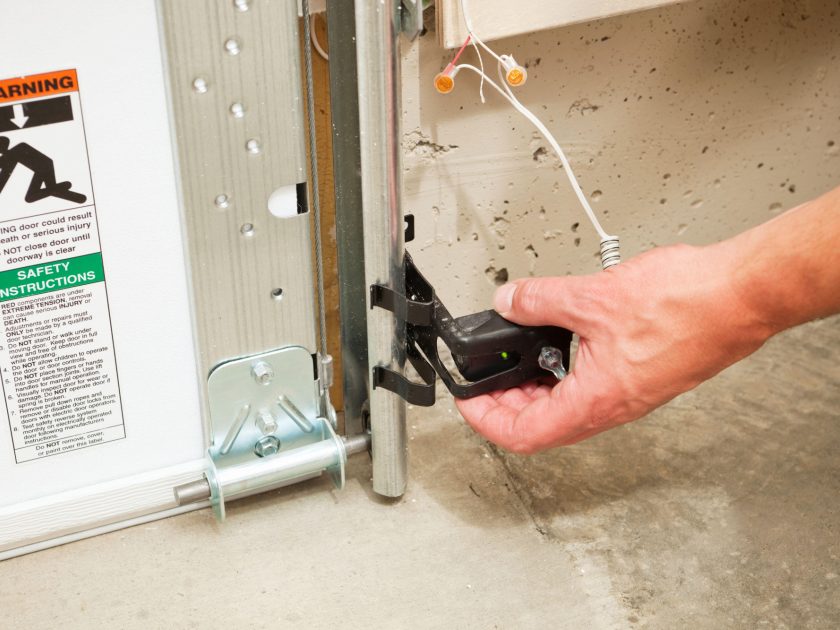
6. Garage Door Sensors
Garage Door Sensors detect obstacles in the path of the door and prevent accidental closure. They are essential for child safety, pet protection, and avoiding damage to vehicles.
Pro Tip: Clean the sensors regularly and check alignment to ensure the door stops promptly when needed.
7. Weather Stripping
Weather stripping is one of the essential garage door components, sealing gaps between the door and frame to prevent drafts, debris, and pests from entering. It also improves insulation, which is especially important if your garage is attached to your home. Installing durable weather stripping on garage doors is a simple DIY project that enhances energy efficiency and protects your garage.
8. Garage Door Wall Switch
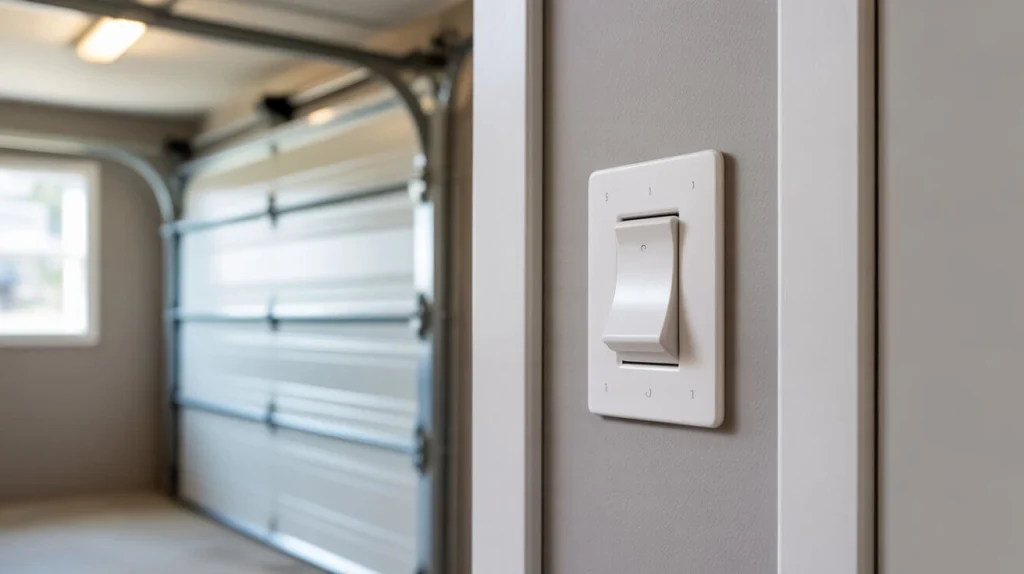
The wall switch allows manual operation of your garage door. While often overlooked, it’s a crucial component, especially during power outages or motor failure.
Real-Life Case Study: How Understanding Garage Door Components Saved Time and Money
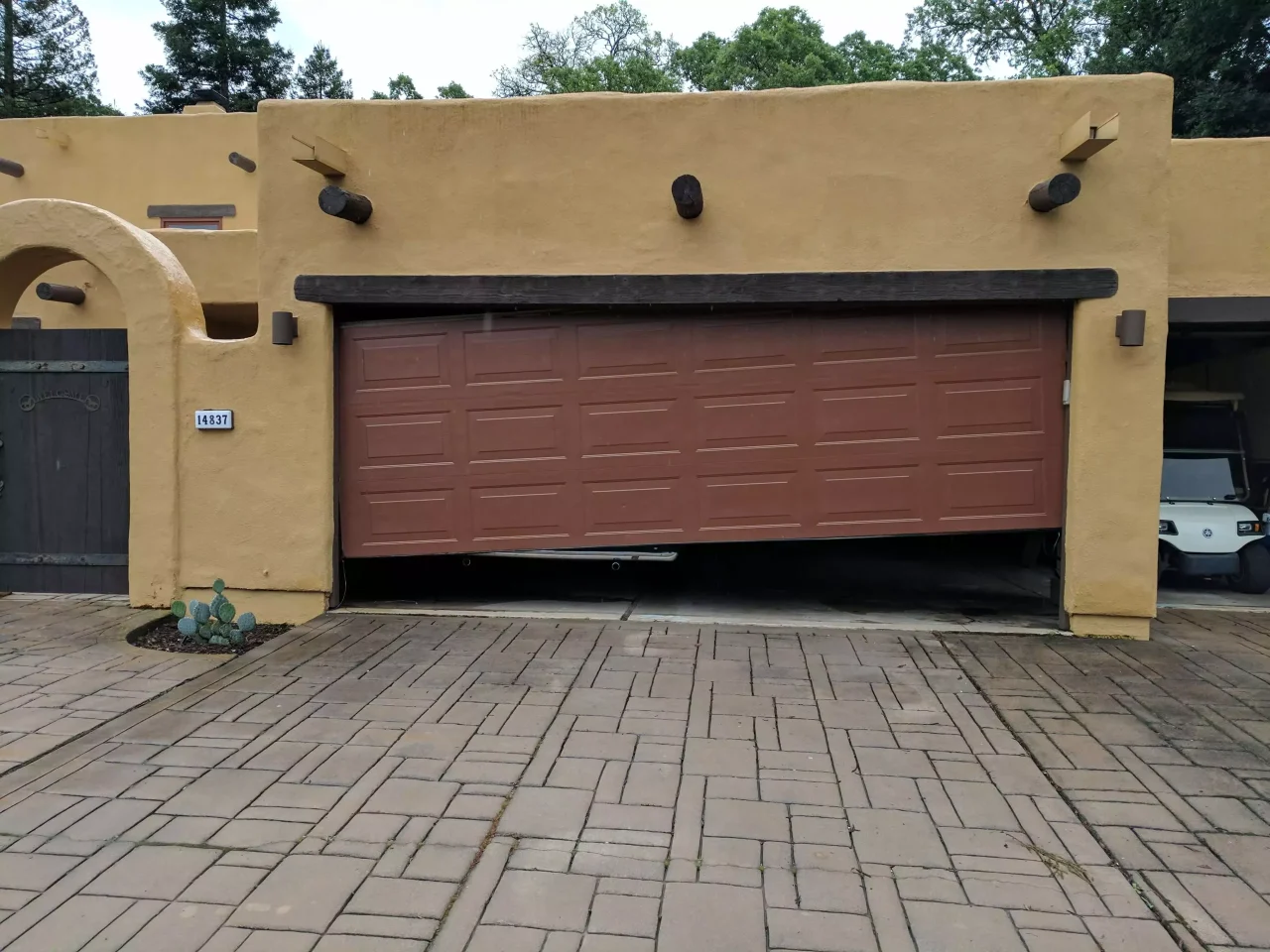
Last year, I helped a friend, Sarah, troubleshoot her garage door. Her door would only partially open, making it impossible to park her car. Instead of immediately calling a repair service, we inspected the garage door components first.
We discovered that the torsion spring had lost tension, causing uneven movement.
The rollers were worn out, creating friction along the tracks.
Dust and debris had clogged the sensors, preventing full operation.
After replacing the worn rollers, adjusting the spring tension, and cleaning the sensors, the garage door worked perfectly again. Total cost? A fraction of what a full replacement would have been. This case highlights why homeowners should understand the parts of a garage door and not ignore minor issues.
Maintenance Tips for Long-Lasting Garage Door Components
To ensure your garage door continues to function smoothly, follow these simple maintenance tips:
Lubricate moving parts: Hinges, rollers, springs, and pulleys should be lubricated every six months to prevent friction and wear.
Check the balance: Disconnect the opener and manually lift the door. It should move smoothly with minimal effort.
Inspect cables and springs: Look for signs of wear, fraying, or rust. Never attempt to replace torsion springs yourself; they are under high tension.
Test safety sensors: Make sure your sensors reverse the door when objects are in the path.
Replace weather stripping: Damaged stripping can reduce insulation and allow pests inside.
By staying proactive, you can extend the life of every garage door component in your system.
Conclusion:
Understanding your garage door components isn’t just a curiosity—it’s a practical skill that saves time, money, and stress. From torsion springs to weather stripping and safety sensors, each part plays a vital role in your door’s smooth and reliable operation. When you know what to inspect, maintain, or replace, you’re better equipped to prevent sudden breakdowns and extend the life of your garage door system—much like how a Diy french drain helps homeowners prevent costly water damage by addressing issues early.
While some maintenance tasks are DIY-friendly, others—such as adjusting torsion springs or repairing motorized openers—require professional expertise to avoid serious injury or further damage. Being informed helps you make safer, smarter decisions for your home. Take a proactive approach today: inspect your garage door components, identify minor issues before they escalate, and enjoy the peace of mind that comes with a fully functional, secure, and long-lasting garage door.
FAQs
What is the most common garage door repair?
Fixing worn rollers and broken springs is the most common garage door repair.
What are the two types of garage door springs?
Garage doors use torsion springs or extension springs for smooth lifting.
Can I use WD-40 to lubricate my garage door?
WD-40 isn’t ideal; use garage door lubricant for hinges, rollers, and springs.
How to diagnose a garage door?
Check springs, cables, rollers, sensors, and opener to diagnose issues.
Marion is a dedicated home improvement blog author who has a passion for writing. She enjoys blogging about all sorts of topics, from interior design to landscaping and more! She loves the outdoors and spending time in nature with her family. She also likes to bake in her free time.