
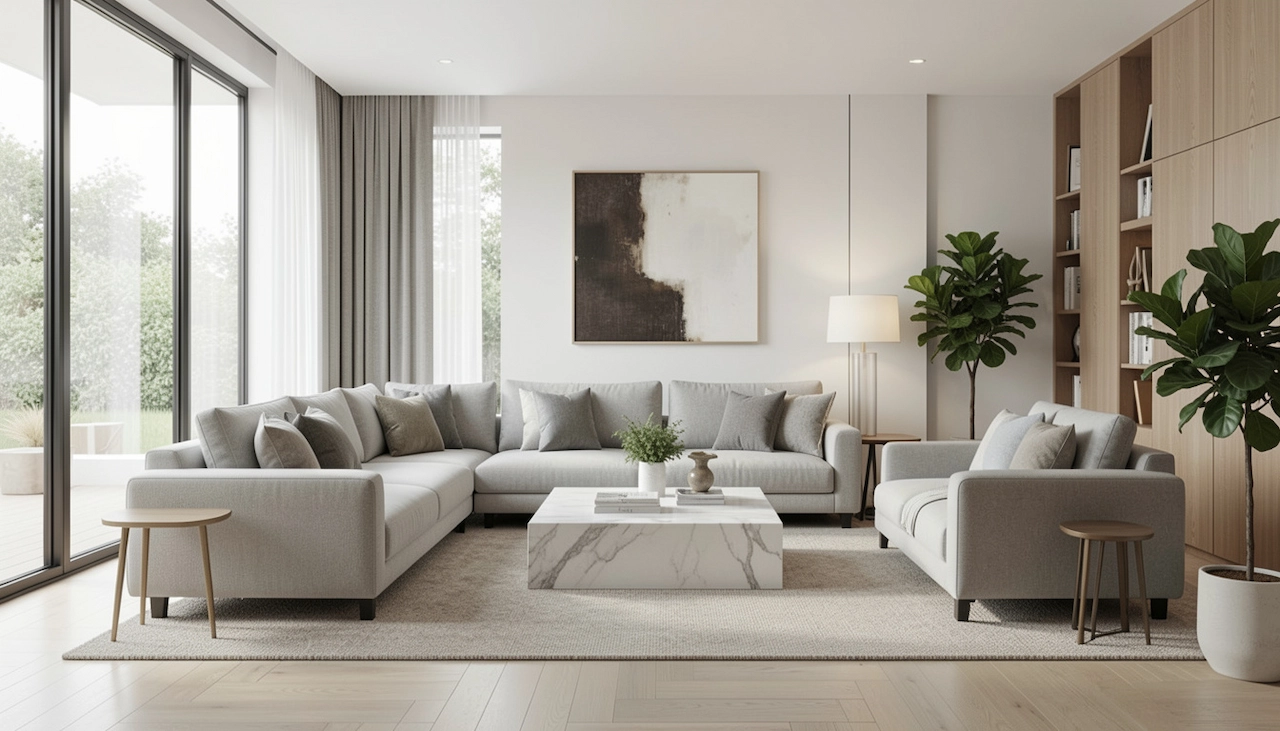
Understanding Furniture and fixtures is essential for anyone managing an office, running a business, or setting up a functional workspace. These assets are not just about appearance—they directly affect productivity, financial reporting, and long-term cost planning.
Many people assume furniture and fixtures are the same thing, but in business and accounting, the distinction matters a lot. From office chairs and desks to built-in lighting systems and wall partitions, each item plays a different role in how a space functions and how it is recorded in financial statements.
Content
Understanding Furniture and Fixtures in Simple Terms
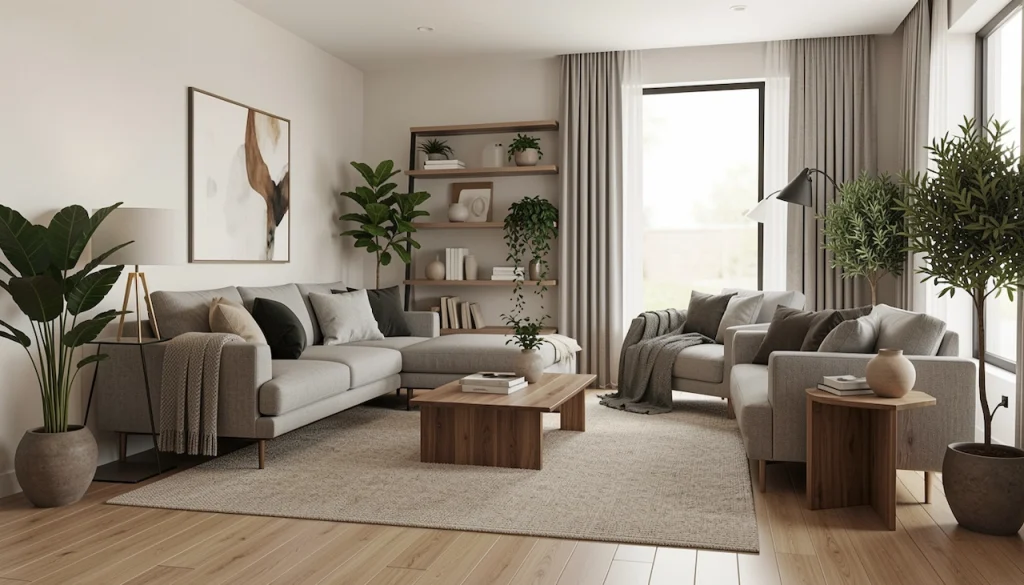
In everyday language, Furniture and fixtures refer to all the movable and fixed items used to equip a workplace, home office, or commercial space. These items help create a functional environment where work can be performed efficiently.
- Furniture usually includes movable items like desks, chairs, and tables
- Fixtures refer to items that are fixed or permanently installed, such as lighting systems or built-in cabinets
A useful way to understand this is to think of furniture as flexible and fixtures as permanent.In accounting terms, both fall under fixed assets, but they are treated differently for depreciation and reporting purposes.
Why Office Assets Play a Crucial Role in Business Success
When I first worked with small office setups, I noticed many owners overlooked proper classification of office assets. This often created confusion during tax filing and depreciation calculations.Proper identification of office furniture and fixtures is important for several reasons:
- Helps in accurate financial reporting
- Supports correct tax depreciation claims
- Improves asset management and tracking
- Ensures compliance with accounting standards
Many businesses fail to realize that misclassifying assets can lead to financial inconsistencies over time.
Common Examples of Furniture in Offices and Workspaces
Furniture is generally the most visible part of any office or home workspace. It includes all movable assets that support daily operations.
Typical furniture examples include:
- Office desks and workstations
- Ergonomic chairs
- Meeting tables and conference tables
- Filing cabinets and storage units
- Reception seating areas
- Bookshelves and organizers
These items are not permanently attached to a structure, which makes them easy to move or replace.From a practical experience point of view, investing in quality furniture improves comfort and productivity significantly, especially in long working hours.
What Qualifies as Fixtures in a Building or Office
Fixtures are often misunderstood because they blend into the structure of a building. However, they are a crucial part of property, plant, and equipment furniture classification in accounting.
Fixtures typically include:
- Built-in lighting systems
- Wall-mounted cabinets
- HVAC systems (heating, ventilation, air conditioning)
- Plumbing installations
- Electrical fittings
- Fixed partitions and wall panels
These items are permanently installed and cannot be removed without altering the building structure.A good rule of thumb: if removing the item damages the property or requires construction work, it is a fixture.
Key Differences Between Furniture and Fixtures
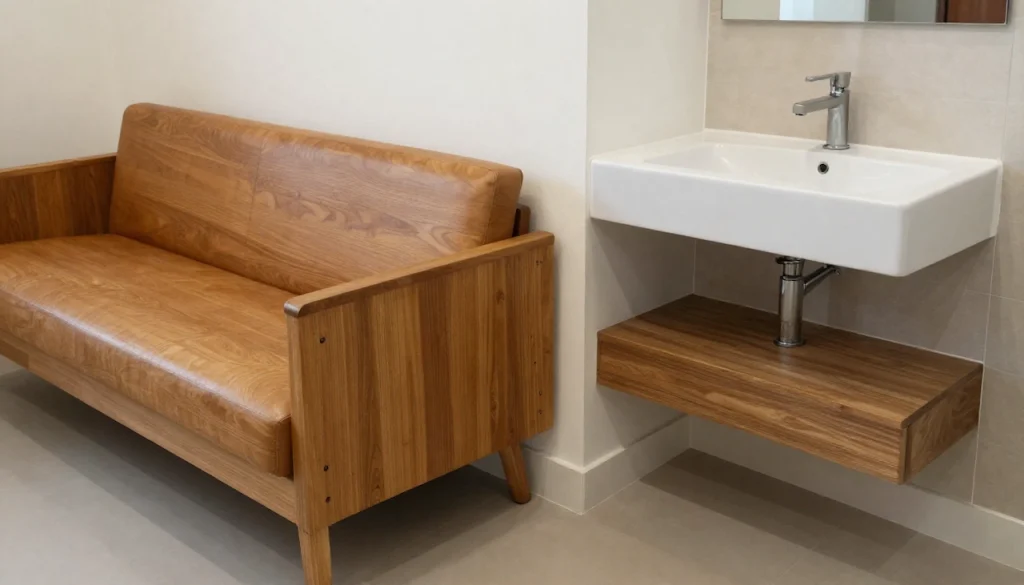
One of the most searched topics in accounting and office management is understanding how different types of office assets are classified and recorded in financial reporting. Here is a simple breakdown:
1. Mobility
- Furniture: Easily movable
- Fixtures: Permanently fixed
2. Installation
- Furniture: No installation required
- Fixtures: Installed into the structure
3. Depreciation
- Furniture: Generally depreciates faster
- Fixtures: Depreciates more slowly due to long-term use
4. Business Use
- Furniture: Supports daily operations
- Fixtures: Supports infrastructure and building functionality
Understanding these differences helps businesses maintain accurate asset records and improve long-term planning.
Importance of Furniture and Fixtures in Accounting and Taxation
From an accounting perspective, what qualifies as furniture and fixtures in the office plays a key role in financial management.
Businesses rely on proper classification for:
- Depreciation calculations under fixed assets
- Balance sheet accuracy
- Tax deductions and financial audits
- Asset lifecycle planning
Incorrect classification can lead to errors in tax reporting or overvaluing assets, which may affect business decisions.
Real-Life Case Study: Small Office Setup Mistake and Fix
A few years ago, I worked with a small digital marketing agency that was setting up its first office. They invested heavily in interior design, including desks, lighting, partitions, and wall-mounted storage.However, during accounting, they recorded everything under a single category: “office setup cost.”
This created problems during tax filing because:
- Furniture and fixtures depreciation schedule was not correctly applied
- Fixtures were incorrectly treated as short-term expenses
- Asset tracking became unclear during auditing
Later, we reorganized their assets properly:
- Furniture and fixtures were separated into two categories
- Movable furniture like desks and chairs were grouped together
- Built-in lighting and partitions were classified as fixtures
Within one financial year, the company saw improved clarity in reporting and better tax optimization. This simple correction helped them avoid compliance issues in future audits. This case clearly shows why proper examples of business assets must be understood correctly from the beginning.
Role of Furniture and Fixtures in Office Design and Productivity
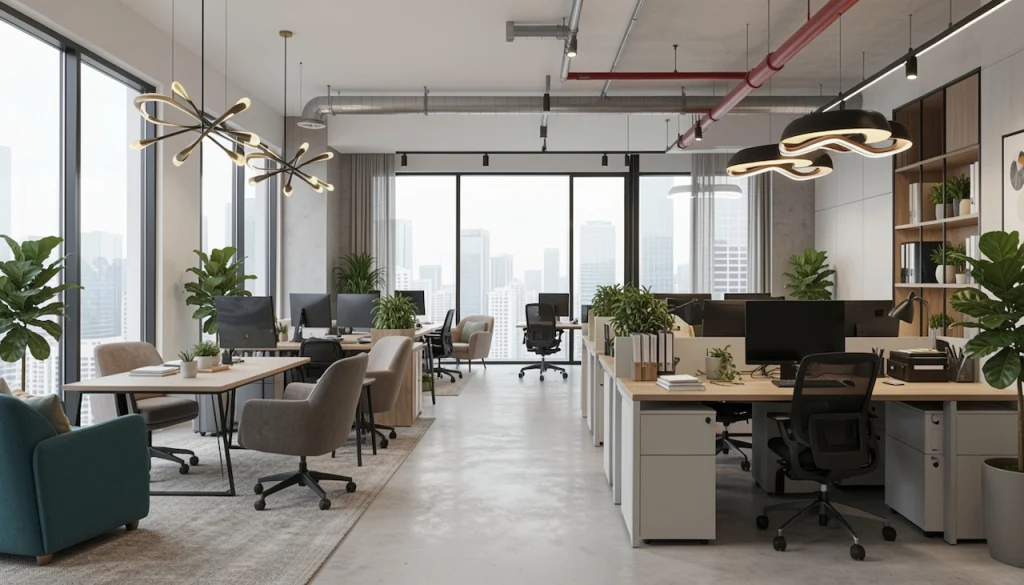
Beyond accounting, office setup and interior elements also influence workplace performance.
Well-planned office assets help:
- Improve employee comfort
- Increase productivity and focus
- Enhance space utilization
- Create a professional environment
For example, ergonomic chairs and properly arranged desks reduce fatigue, while good lighting fixtures improve visibility and mood.In modern workplaces, commercial furniture and fixtures are designed to balance aesthetics with functionality, ensuring long-term efficiency.
Asset Management and Long-Term Value
One often ignored aspect is asset lifecycle management. Businesses that track fixed assets furniture classification properly tend to manage budgets more efficiently.
Proper tracking helps in:
- Replacement planning
- Maintenance scheduling
- Cost control
- Investment forecasting
Even small businesses benefit when they categorize assets correctly from the start. Similarly, people searching for Rent to own homes near me can make better financial and furnishing decisions by understanding how furniture and fixtures contribute to creating a functional and well-equipped living space.
Practical Tips for Better Furniture and Fixture Management
Based on real experience in workspace planning and office setup, here are some practical tips:
- Always maintain a separate register for furniture and fixtures
- Tag each asset for easy identification
- Track purchase date and depreciation value
- Review assets annually for replacement needs
- Avoid mixing furniture expenses with operational costs
These small steps can significantly improve financial clarity.
Final Thoughts

The concept of Furniture and fixtures goes far beyond simple office items. It is a structured way of understanding, organizing, and managing physical assets that support both business operations and financial accuracy. Exploring a List of furniture types can also help individuals and businesses choose the right pieces for different spaces while improving organization and functionality. Whether you are setting up a home office or managing a commercial workspace, understanding what qualifies as Furniture and fixtures ensures better design decisions, accurate accounting, and long-term cost efficiency. With proper classification and planning, businesses can not only improve workspace functionality but also maintain strong financial health over time.
FAQs
Is a fridge a furniture and fixture?
A fridge is usually classified as equipment or appliance, not furniture or fixture.
What is the meaning of fixtures?
Fixtures are items permanently attached to a property and not easily removable.
Is a door a furniture or fixture?
A door is a fixture because it is permanently attached to the building structure.
What are examples of fixtures?
Wall lights, built-in cabinets, plumbing systems, HVAC units, and partitions are fixtures.

Marion is a dedicated home improvement blog author who has a passion for writing. She enjoys blogging about all sorts of topics, from interior design to landscaping and more! She loves the outdoors and spending time in nature with her family. She also likes to bake in her free time.